

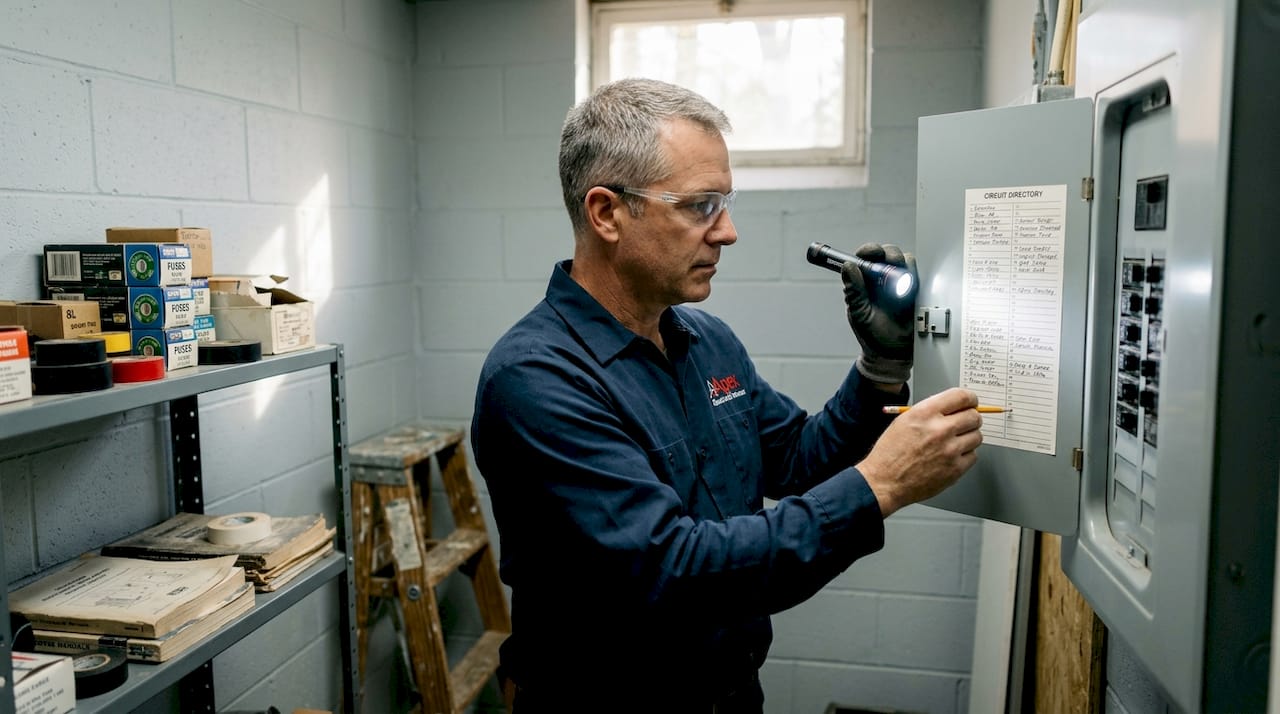
Your electrical panel is one of the most important systems in your home or business, yet it rarely gets attention until something goes wrong. Most people assume panel upgrades are only for bigger houses or large commercial buildings, but that’s a costly misconception. The reality is that panel size affects safety, value, and efficiency in ways that touch your daily life, your insurance policy, and your property’s resale price. For homeowners and small business owners in Edmond and Oklahoma City, understanding how panels work, what size you need, and when to upgrade isn’t optional knowledge. It’s essential protection.
Table of Contents
- What electrical panels do and why they matter
- Panel sizes and types: Choosing the right fit
- Installation, upgrades, and code compliance
- Modern panels: Smart features and added value
- Our expert take: What most guides miss about panel upgrades
- Need an upgrade or assessment? Trusted Edmond & OKC professionals
- Frequently asked questions
Key Takeaways
| Point | Details |
|---|---|
| Safety first | Proper panels reduce fire risks and protect homes and businesses from dangerous electrical faults. |
| Sizing matters | Choosing the right capacity ensures future upgrades and prevents overloads that disrupt power or damage appliances. |
| Code compliance | Permits and licensed installation are critical to meet Oklahoma requirements, avoid fines, and maintain insurance coverage. |
| Smart solutions | Modern panels bring energy savings, smart features, and higher resale value to your property. |
| Professional help | Expert electricians guarantee safe installation and avoid costly mistakes for Edmond and OKC residents. |
What electrical panels do and why they matter
Think of your electrical panel as the traffic controller for every volt of electricity that enters your building. It receives power from the utility company and distributes it across individual circuits that serve your lights, outlets, appliances, and HVAC systems. Each circuit has a breaker that trips when too much current flows through, cutting power before wires overheat or catch fire. That simple mechanism is what stands between a minor inconvenience and a house fire.
Here’s what a properly functioning panel does for your home or business every single day:
- Distributes electricity safely to every room and system
- Protects wiring from overloads that cause heat damage
- Allows you to isolate circuits for repairs or upgrades
- Provides a foundation for adding new loads like EV chargers or air conditioning units
- Keeps your property compliant with insurance and local code requirements
When panels age or become undersized, those protections erode. Breakers that don’t trip correctly, wiring that overheats quietly inside walls, and fuses that fail without warning are all panel hazards that put your family or employees at real risk.
A panel that’s too small doesn’t just limit convenience. It creates conditions where circuits operate above safe thresholds for extended periods, increasing the probability of electrical fires and equipment damage.
For newer appliances, EV charging stations, or home office setups, older panels often can’t keep up. An electrical panel assessment is the fastest way to find out whether your current setup matches your actual load needs. The right panel size is crucial to maintaining both safety and operational efficiency, whether you’re running a household or a small business.
Panel sizes and types: Choosing the right fit
Knowing the purpose of panels, it’s important to select the right size for your property. Electrical panels are rated in amperes (amps), which measure how much total current they can handle at once. Choosing too small a panel is one of the most common and expensive mistakes we see in Edmond and OKC.
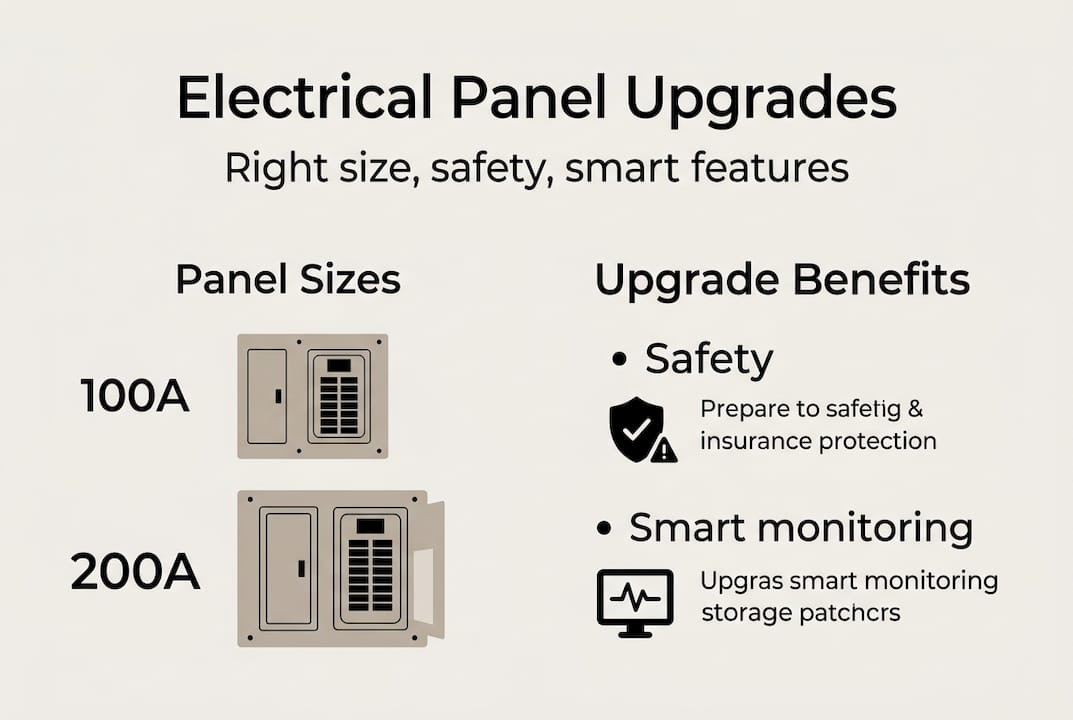
Common panel sizes break down like this:
| Panel size | Best for | Typical use case |
|---|---|---|
| 100A | Small or older homes | Basic lighting, minimal appliances |
| 200A | Modern residential | Standard household with multiple appliances |
| 400A | Large homes or businesses | EV charging, pools, HVAC, commercial equipment |
Most homes built in the last 30 years in Edmond use 200A panels as the standard. But if you’re adding a home workshop, an electric vehicle charger, or planning a major renovation, you may already be pushing the limits of a 200A setup. A panel upgrade overview can clarify what load additions typically push properties into 400A territory.
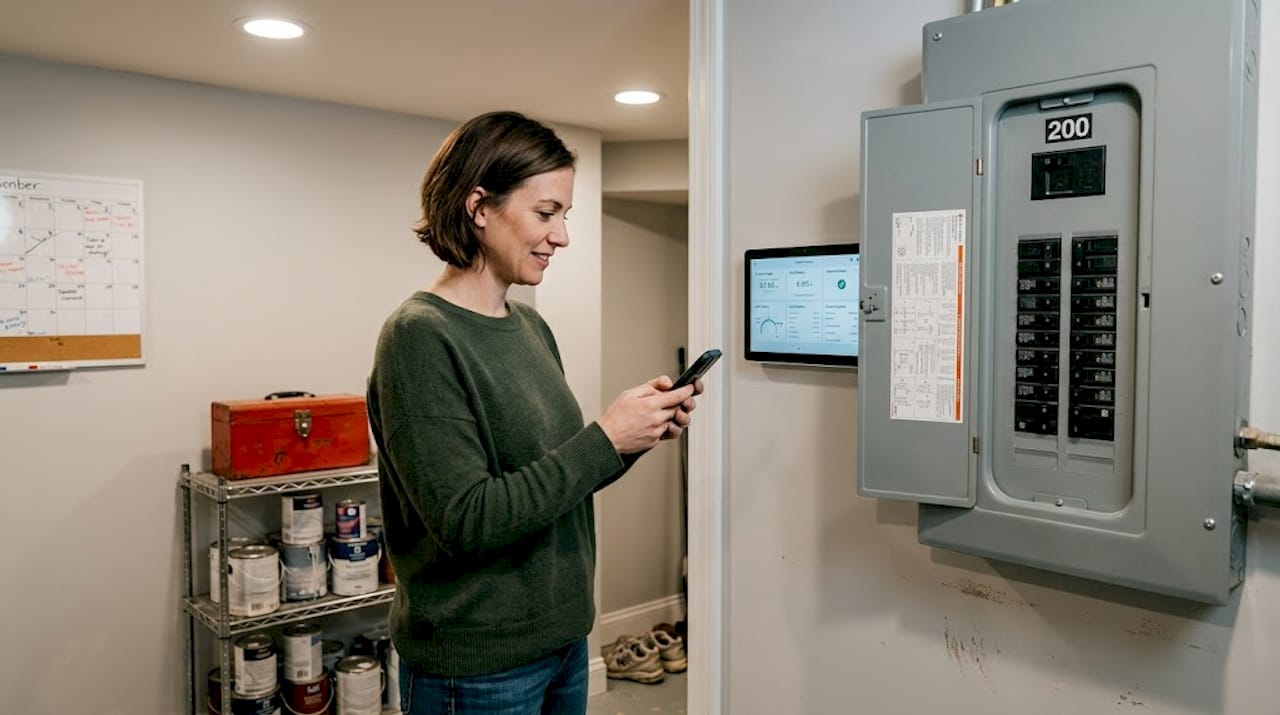
Smart panels are a newer option that go beyond just distributing power. They connect to apps, monitor individual circuit usage in real time, and integrate with solar arrays and battery backup systems. However, smart panels still require correct amperage sizing before any features matter. A 100A smart panel is still a 100A panel.
Here’s a simple process for determining what size you need:
- List every major electrical load in your property (HVAC, water heater, EV charger, stoves, dryers)
- Add anticipated loads from planned renovations or new equipment
- Have a licensed electrician calculate your total demand load using NEC (National Electrical Code) guidelines
- Choose a panel rated for at least 20% above your calculated demand to allow for growth
- Confirm your chosen panel is compatible with your utility service entrance
Pro Tip: Always size your panel for where your property will be in five years, not just where it is today. The cost difference between a 200A and 400A installation is far smaller than the cost of upgrading twice.
For guidance on what electrical upgrades make the most sense for your specific property type, connecting with professional electrician services will save you from costly guesswork.
Installation, upgrades, and code compliance
Once you know your size and type, here’s how installation and upgrades work, with the safety and compliance factors that matter most in Oklahoma.
Panel installation is not a DIY project. This isn’t a matter of skill level or YouTube tutorials. Working inside a live electrical panel exposes you to lethal voltage, and improper work creates fire risks that may not surface for months. Beyond the physical danger, unlicensed panel work almost always voids your homeowner’s insurance and creates serious code compliance problems that can block property sales.
Here are the most common triggers that tell you it’s time to upgrade:
- Breakers trip frequently under normal use
- You’re adding an EV charger, hot tub, or large workshop equipment
- You’re remodeling a kitchen, bathroom, or adding a room
- Your business is expanding and adding new equipment
- Your panel is more than 25 to 30 years old
- Your insurer flags your panel as a liability
In Oklahoma, electrical permits are legally required for panel replacements and upgrades. This isn’t bureaucratic red tape. Permits ensure code compliance and require a licensed inspector to verify the work is safe before power is restored. Skipping this step puts you at risk for fines, insurance denials, and liability if a fire or injury occurs.
Pro Tip: Before scheduling any panel work, confirm your electrician will pull the required permits and schedule the inspection. If they say permits aren’t necessary, that’s a red flag worth taking seriously.
A qualified electrician follows a defined process: shutting down power at the service entrance, removing the old panel, installing the new one, labeling every circuit, and arranging inspection. Understanding the full scope of electrician duties helps you ask the right questions before signing any contract. A thorough home electrical inspection before and after work is the professional standard.
Modern panels: Smart features and added value
Now, let’s explore how upgrading to modern panels brings new value and features beyond basic safety.
Older panels do one thing: distribute power. Modern panels, especially smart panels, do considerably more. They monitor circuit-level energy use, flag unusual patterns that may indicate faulty appliances or wiring issues, and integrate directly with solar systems and battery backup solutions. For Edmond homeowners looking to add rooftop solar or a whole-home backup generator, the panel is the integration point for all of it.
Here’s a quick look at what modern panel features can do for your property:
| Feature | Practical benefit |
|---|---|
| Circuit-level monitoring | See exactly where energy is being wasted |
| Solar integration | Maximize use of generated solar power |
| Battery backup compatibility | Keep critical circuits running during outages |
| Remote control via app | Manage circuits from anywhere |
| Real-time alerts | Know instantly if something draws abnormal current |
Beyond the tech features, modern panels support smart upgrades that directly affect energy bills. When your panel can communicate with a smart thermostat, EV charger, and solar inverter simultaneously, the system works together to minimize waste and reduce peak demand charges from your utility.
Homebuyers in 2026 increasingly ask about electrical capacity before making offers. A freshly upgraded 200A or 400A panel signals that the property is move-in ready and built for modern living.
Upgraded panels also pay off through these practical benefits:
- Lower energy bills through smarter load management
- Stronger resale value and faster time on market
- Insurance discounts from some carriers for updated panels
- Fewer outages and reduced risk of appliance damage
To understand exactly which circuit breaker upgrades deliver the fastest return on investment, it helps to look at your current energy usage patterns first. Pairing modern panel features with the right residential electrical upgrades maximizes every dollar you spend on the project.
Our expert take: What most guides miss about panel upgrades
Most articles stop at the technical basics, but we want to share what working in Edmond and Oklahoma City day in and day out has actually taught us.
The biggest regret we hear from homeowners isn’t that they upgraded their panel. It’s that they undersized it. A family adds an EV charger, then realizes two years later that a future addition or pool will require another upgrade. Sizing correctly the first time is almost always cheaper than returning for a second round of work.
Oklahoma’s local codes are stricter than many homeowners expect, and DIY panel work bypasses the permit-required inspections that catch dangerous errors. Fines for unpermitted electrical work in Oklahoma can run into the thousands, and discovering unpermitted work during a home sale can derail the entire transaction.
Here’s what surprises most people: smart panel upgrades are frequently more affordable than feared, especially when you factor in energy savings and potential insurance premium reductions. The upfront investment often delivers measurable ROI within two to three years. We’ve watched homeowners hesitate on upgrades, then face emergency replacements at twice the cost because they waited until something failed. Knowing the panel hazards specific to your home’s age and wiring type helps you make that call with clear information instead of guesswork.
Need an upgrade or assessment? Trusted Edmond & OKC professionals
If this article has you thinking about your own panel’s age, capacity, or compliance status, that instinct is worth following. Waiting until a breaker fails or an inspector flags a violation costs significantly more than a proactive upgrade.

Shepherd Electrical specializes in panel assessments, upgrades, and code-compliant installations for residential and commercial properties across Edmond and the Oklahoma City Metro. Our team handles permits, inspections, and every step of the process so you don’t have to navigate it alone. Explore our full electrical services to see how we can match your property’s needs, or get guidance on choosing an electrical contractor so you know exactly what to look for before making a decision.
Frequently asked questions
How do I know if my panel needs upgrading?
If your panel is outdated or undersized for your current load, or you’re adding high-demand equipment like an EV charger or HVAC system, an upgrade is likely overdue.
Is it safe to upgrade my panel myself?
No. DIY panel upgrades are extremely dangerous and permits are required for all panel work in Oklahoma. Always hire a licensed electrician.
Why do permits matter for panel installation?
Permits ensure the work is inspected and code-compliant for safety, and protect you from insurance issues or problems during a future property sale.
What size panel is right for a typical Edmond home?
Most modern Edmond homes need a 200A panel, but larger loads like EVs or pools typically require a 400A setup to handle demand safely.
Can a new panel lower my energy bills?
Yes. Modern panels improve efficiency and enable smart load management that reduces energy waste and can meaningfully cut your monthly utility costs.