


Most Oklahoma City homeowners and small business owners assume their electrical system is fine as long as the lights turn on. That assumption is costing people money, and in some cases, putting lives at risk. Electrical hazards don’t always announce themselves with sparks or blown fuses. They hide inside walls, behind panels, and in outdated wiring that was installed decades ago. Whether your property is brand new or has been standing since the 1970s, a professional electrical system assessment is the single most reliable way to know what you’re actually dealing with. This guide walks you through what an assessment involves, why it matters, and what to do with the results.
Table of Contents
- What is an electrical system assessment?
- Why regular assessments are vital for safety and maintenance
- Step-by-step overview of the assessment process
- Common problems found and recommended improvements
- Why proactive electrical assessments are the best investment in safety
- Get expert electrical assessments from Shepherd Electrical
- Frequently asked questions
Key Takeaways
| Point | Details |
|---|---|
| Assessment prevents hazards | Regular electrical assessments detect fire and shock risks before they become emergencies. |
| Professional checks are essential | Certified electricians use systematic methods to uncover hidden problems homeowners often miss. |
| Improvements boost safety | Recommended upgrades and repairs after an assessment dramatically enhance both safety and efficiency. |
| Scheduling saves money | Routine assessments cost less than dealing with the expensive aftermath of neglected maintenance. |
| Clear action steps | The article guides you from understanding assessments to taking smart steps with local Oklahoma City experts. |
What is an electrical system assessment?
An electrical system assessment is a thorough evaluation of every major electrical component in your property. That includes your main service panel, all branch circuit wiring, outlets, switches, grounding systems, and circuit breakers. The goal is to identify hazards, verify that everything meets current code requirements under the National Electrical Code (NEC), and flag any areas where energy is being wasted.
This is not the same as a quick visual check. A homeowner can walk through a house and spot a cracked outlet cover or a tripped breaker. What they can’t see is whether the wiring behind that outlet is the correct gauge, whether the panel is properly grounded, or whether there are overloaded circuits quietly building heat inside the walls. Certified electricians uncover both visible and hidden electrical risks that no visual inspection can catch.
Here’s a simple comparison of what each approach actually covers:
| Check type | What it covers | What it misses |
|---|---|---|
| DIY visual check | Cracked covers, tripped breakers, visible damage | Hidden wiring faults, load issues, code violations |
| Professional assessment | Panels, wiring, grounding, load testing, code compliance | Nothing significant |
A professional assessment typically covers these key areas:
- Main service panel: Age, capacity, signs of overheating or corrosion
- Branch circuit wiring: Insulation condition, correct gauge, proper connections
- Outlets and switches: GFCI protection where required, grounding status
- Circuit breakers: Proper ratings, functioning correctly, no signs of damage
- Grounding and bonding: Verified for safety and code compliance
For businesses, the assessment also covers three-phase systems, dedicated circuits for equipment, and compliance with OSHA electrical standards. Understanding panel hazards specific to Oklahoma City properties is a critical part of this process, especially in older commercial buildings where panels may not have been touched in 20 or more years.
“An electrical assessment isn’t just about finding problems. It’s about understanding the full picture of your system’s health before a small issue becomes a serious one.”
The electrical services overview at Shepherd Electrical outlines the full scope of what a professional evaluation includes for both residential and commercial properties in the OKC metro.
Why regular assessments are vital for safety and maintenance
Electrical fires are not rare events. Electrical faults cause roughly 51,000 fires in U.S. homes every year, resulting in hundreds of deaths and billions in property damage. The hard truth is that most of those fires were preventable. Regular assessments catch the conditions that lead to fires before they have a chance to ignite.
Beyond fires, there are other serious risks. Faulty wiring causes electric shocks. Overloaded circuits damage appliances and electronics. Outdated systems can void homeowner’s insurance policies or trigger violations during a property sale or commercial inspection. These are not hypothetical problems. They show up regularly in Oklahoma City properties, especially in neighborhoods with homes built before 1990.
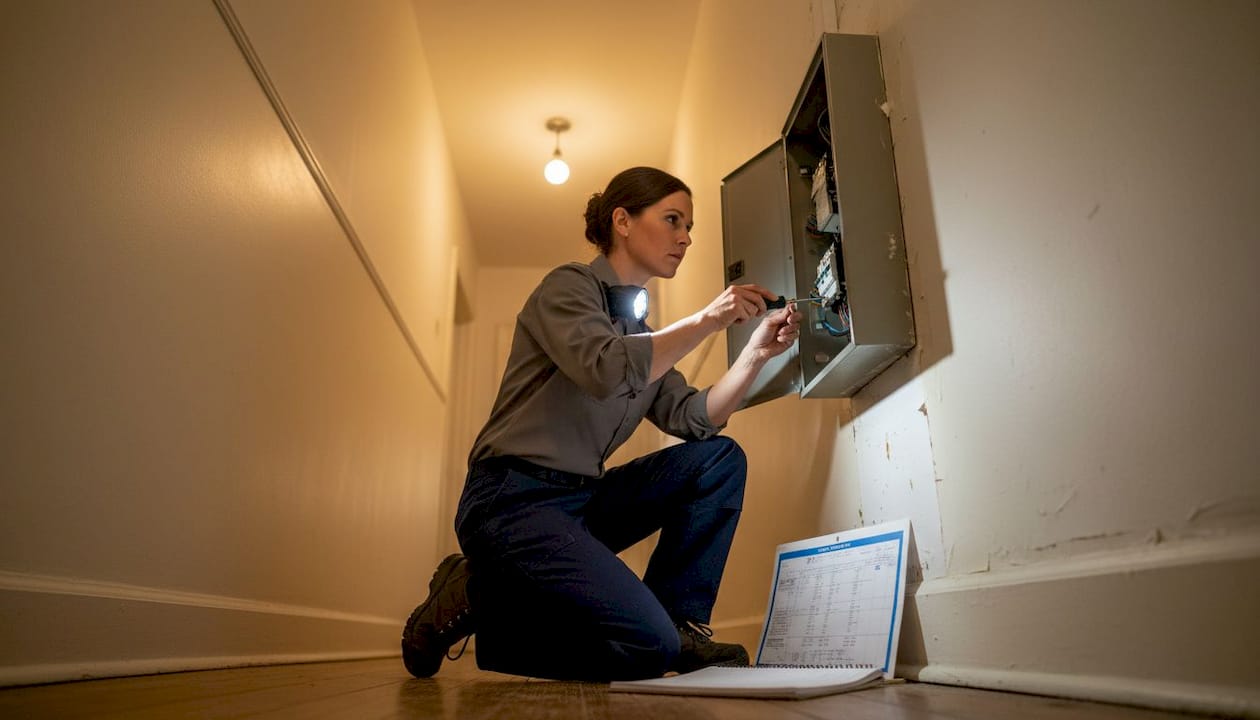
Here’s a look at common hazards found during assessments in Oklahoma properties:
| Hazard | How common | Risk level |
|---|---|---|
| Outdated panels (Federal Pacific, Zinsco) | Very common in pre-1990 homes | High |
| Overloaded circuits | Common in homes with added appliances | Medium to High |
| Missing GFCI outlets in wet areas | Frequent in older homes | High |
| Aluminum wiring | Found in homes built 1965-1973 | High |
| Improper grounding | Common in older commercial buildings | Medium |
Signs that your system is overdue for a professional electrical assessment services review:
- Lights that flicker or dim when appliances run
- Breakers that trip repeatedly under normal loads
- Outlets that feel warm to the touch
- A burning smell with no obvious source
- An electrical panel that’s more than 25 years old
- Recent major renovations or new large appliances added
Oklahoma’s climate adds another layer of stress on electrical systems. Hot summers push air conditioning systems hard, which puts sustained high loads on circuits that may already be near capacity. Severe storms bring power surges. These local conditions make routine assessments even more important here than in milder climates.
Pro Tip: Schedule an assessment after any significant renovation or after adding a major appliance like a new HVAC unit, EV charger, or hot tub. These additions change the load demands on your system in ways that aren’t always obvious.
Step-by-step overview of the assessment process
Knowing what to expect makes the process less intimidating. A professional electrical assessment follows a clear sequence, and a good electrician will walk you through their findings as they go.
Certified electricians follow a systematic checklist tailored to the size and age of your property. Here’s the typical sequence:
- Pre-appointment preparation: Gather any existing permits, note any issues you’ve noticed, and make sure the electrician has access to all areas including attics, crawl spaces, and the main panel.
- Panel inspection: The electrician opens the main service panel and evaluates its age, brand, capacity, wiring connections, and signs of heat damage or corrosion.
- Wiring walkthrough: Branch circuit wiring is checked throughout the property for proper gauge, insulation condition, and correct installation methods.
- Outlet and switch testing: Every outlet is tested for proper grounding, polarity, and GFCI function where required by code.
- Load testing: The electrician measures actual voltage and amperage on circuits to identify overloading or voltage drop issues.
- Grounding and bonding verification: The grounding system is checked to ensure it meets current NEC standards.
- Reporting: You receive a detailed written report of all findings, prioritized by severity, with specific recommendations for repairs or upgrades.
The reporting step is where the real value becomes clear. A good report doesn’t just list problems. It explains what each issue means, what risk it carries, and what the fix involves. This gives you a clear action plan rather than a vague list of concerns.
Pro Tip: Always request a digital copy of your assessment report. Store it with your property records. It’s useful for insurance purposes, future sales, and tracking what work has been done over time.
A residential electrician with local experience will also flag issues specific to OKC properties, like storm-related surge damage or wiring patterns common in certain neighborhoods and construction eras. Working with someone who knows the best electrician near me options in your area means you’re getting advice grounded in local knowledge.
Common problems found and recommended improvements
Every assessment is different, but certain problems show up again and again in Oklahoma City homes and businesses. Knowing what’s most likely to be flagged helps you understand what you might be dealing with before the electrician even arrives.
Outdated panels, overloaded circuits, and frayed wires consistently top the list of hazards found during professional assessments. Here are the most common issues identified:
- Outdated or recalled panels: Federal Pacific Stab-Lok and Zinsco panels are known fire hazards still found in many OKC homes
- Overloaded circuits: Too many high-draw appliances on a single circuit, often in kitchens and home offices
- Aluminum branch circuit wiring: Common in homes built in the late 1960s and early 1970s, requires special connectors or replacement
- Missing GFCI protection: Required in bathrooms, kitchens, garages, and outdoor areas by current code
- Improper grounding: Especially in older commercial properties
- Double-tapped breakers: Two wires connected to a single breaker terminal, a code violation and a fire risk
Studies suggest that more than 60% of assessments result in at least one recommendation for a panel upgrade or significant wiring repair. That’s not a reason to panic. It’s a reason to know before something goes wrong.
“Proactive upgrades don’t just fix problems. They add capacity for the way you actually use your home or business today, not the way it was wired 30 years ago.”
Recommended improvements typically fall into a few categories: panel replacement or upgrade, rewiring of specific circuits or entire properties, surge protection installation, GFCI outlet upgrades, and grounding system repairs. If you’ve been putting off any of these, connecting with an electrician near me in the OKC area is the fastest way to get a clear picture of your priorities. Residential electrical upgrades don’t have to happen all at once. A good assessment report helps you sequence repairs based on risk level and budget.
Why proactive electrical assessments are the best investment in safety
There’s a mindset we see often: “If nothing’s wrong, I don’t need to call anyone.” It feels logical. It’s actually one of the more expensive ways to manage a property.
Electrical problems don’t follow a predictable schedule. A panel that’s been quietly overheating for years can fail during a summer heat wave when your AC is running hard. Frayed wiring inside a wall doesn’t give you a warning before it ignites. By the time you see the sign, the damage is already done. The cost of a professional assessment is a fraction of what a single electrical fire, insurance claim, or emergency repair call costs.
Oklahoma City’s aging housing stock and extreme weather patterns make this especially relevant. Properties here face more electrical stress than homes in more temperate regions. Panel hazards insight from local electricians consistently points to weather-related wear as a major accelerator of electrical degradation.
The smarter approach is to treat assessments the same way you treat HVAC tune-ups or roof inspections. They’re not a response to a crisis. They’re how you avoid one. Bundling your electrical assessment with seasonal maintenance checks is a practical way to stay ahead without adding a separate appointment to your calendar. The upfront cost is small. The protection it buys is significant.
Get expert electrical assessments from Shepherd Electrical
If you’ve been wondering about the state of your electrical system, now is the time to find out for certain.

Shepherd Electrical provides professional assessments for homeowners and business owners across the Oklahoma City metro and Edmond area. Our team evaluates your full system, delivers a clear report, and helps you prioritize any needed repairs or upgrades. Whether you need a routine check or suspect a specific issue, our local electrical experts are ready to help. Explore our full electrical services for residential needs, or connect with our commercial electrician team if you’re managing a business property. Book your assessment today and get the clarity your property deserves.
Frequently asked questions
How often should I have my electrical system assessed?
Routine assessments prevent safety hazards, and most experts recommend scheduling one every 3 to 5 years. You should also book one any time you renovate or add major appliances to your property.
Is an electrical system assessment expensive?
The upfront cost is modest, and professional assessments offer cost-effective protection compared to the expense of emergency repairs, fire damage, or insurance complications from undetected hazards.
What’s the difference between a visual check and a professional assessment?
A visual check only catches obvious surface problems, while a professional assessment tests wiring and panels and identifies hidden hazards that no visual inspection can reach.
Can I perform an electrical assessment myself?
Homeowners can spot some warning signs, but only certified electricians provide thorough safety checks that confirm code compliance and uncover risks inside walls and panels.
What improvements are most commonly recommended after an assessment?
Outdated panels and wiring are priority areas, along with surge protection installation, GFCI outlet upgrades, and grounding system repairs based on the specific findings of your property.
Need help with this at your home?
Shepherd Electrical helps Edmond and OKC metro homeowners with shop, commercial, and full-service electrical work. Free estimates are available, and workmanship is backed by a lifetime guarantee.