

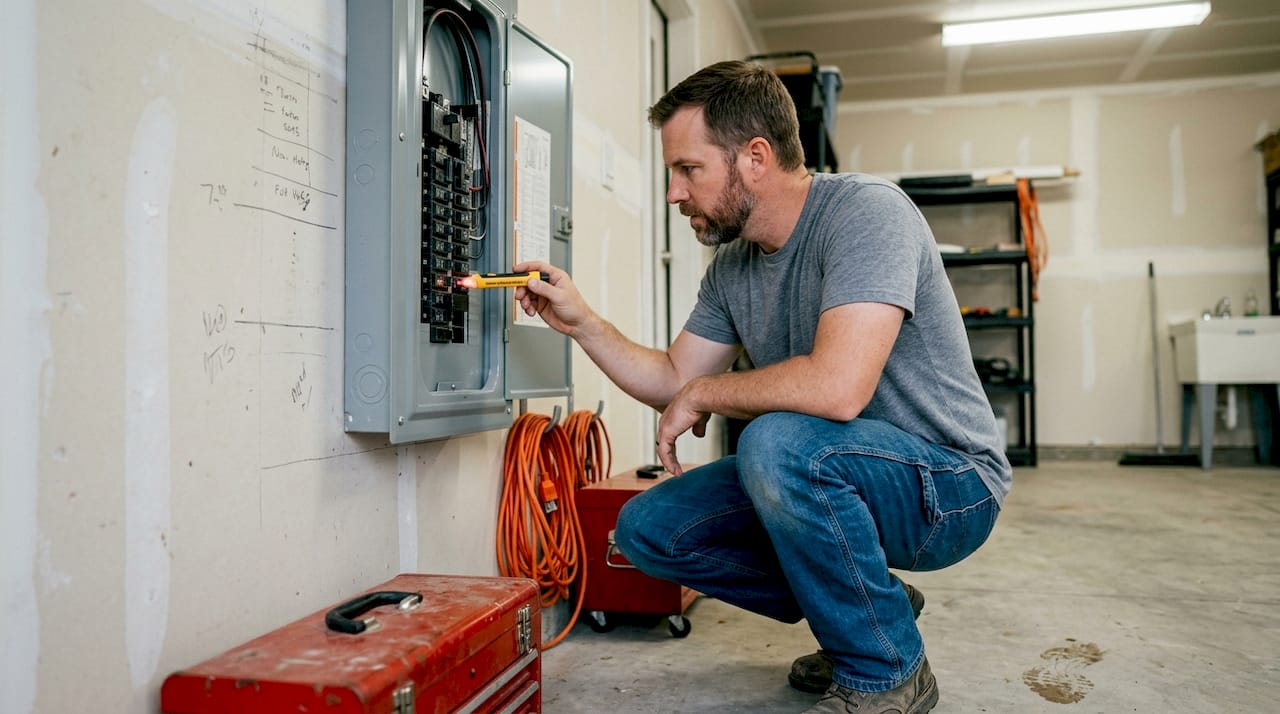
Choosing which electrical upgrades to tackle first is genuinely confusing. Should you replace the panel, add surge protection, or install GFCI outlets throughout the house? Most homeowners in Edmond and Oklahoma City face this exact dilemma, and guessing wrong can mean wasted money or, worse, a safety hazard that lingers for years. The good news is that the right upgrades follow a clear logic rooted in safety, capacity, code compliance, and the demands of modern living. This guide breaks down exactly which upgrades matter most, what they cost in the OKC metro, and how to sequence them so every dollar you spend works harder for your home.
Table of Contents
- How to prioritize your residential electrical upgrades
- The most impactful residential electrical upgrades
- Comparing costs and benefits of key electrical upgrades
- Situational recommendations for Edmond and OKC homes
- Our expert perspective: What most homeowners overlook with electrical upgrades
- Ready for expert electrical upgrades? Connect with local pros
- Frequently asked questions
Key Takeaways
| Point | Details |
|---|---|
| Start with safety upgrades | Focus on upgrades like panel replacement and GFCI/AFCI installs for the top safety and compliance. |
| Plan for local codes | Oklahoma and Edmond/OKC codes and permits should shape every upgrade decision. |
| Compare cost and value | Balance upgrade expense with the benefits for safety, energy savings, and future resale. |
| Tailor upgrades to your home | The ideal upgrades depend on your home’s age, current system, and lifestyle needs. |
How to prioritize your residential electrical upgrades
Before picking an upgrade, it helps to understand what’s actually driving the need. Most residential electrical upgrades fall into one of four categories: safety, capacity, code compliance, and support for modern technology. When you frame it that way, the decision gets a lot clearer.
Here’s a practical set of criteria to help you rank what matters most for your specific home:
- Age of your electrical system. Homes built before 1980 often have panels, wiring, and outlets that no longer meet current standards.
- Frequency of tripped breakers. Constant trips are a signal your system is working too hard.
- Presence of two-prong outlets. These lack grounding and are a real safety concern.
- Plans for new appliances or technology. Adding an EV charger, a hot tub, or a home office setup changes your electrical load significantly.
- Recent home inspection findings. If an inspector flagged issues, those items should move to the top of your list.
- Insurance and resale goals. Some insurers won’t cover homes with outdated panels, and buyers notice electrical red flags.
Local codes matter here too. Oklahoma follows the National Electrical Code (NEC), and Edmond and OKC have their own inspection requirements layered on top. Knowing about common panel hazards in your area helps you understand what inspectors look for and what puts your home at risk.
Always work with licensed professionals who pull the required permits. Skipping permits might seem like a shortcut, but it creates liability issues when you sell and can void your homeowner’s insurance. Licensed pros and permits are non-negotiable for electrical upgrades, not optional extras.
Pro Tip: If your budget is tight, phase your upgrades over 12 to 24 months. Start with the highest-safety items first, then layer in efficiency and capacity upgrades as budget allows. A good electrician can help you build a sequenced plan that minimizes disruption and cost.
The most impactful residential electrical upgrades
With your priorities mapped out, here are the five upgrades that consistently deliver the greatest impact for Edmond and OKC homeowners.
-
Main electrical panel replacement. An outdated or undersized panel is the root cause of many electrical problems. If your home still has a 60-amp or 100-amp panel and you’re running modern appliances, you’re likely pushing it past its limits. Panel upgrades in Oklahoma typically run $1,500 to $4,500 depending on amperage, labor, and permit costs. It’s the foundation everything else builds on.
-
GFCI and AFCI outlet and breaker installation. Ground Fault Circuit Interrupter (GFCI) outlets protect against shock in wet areas like kitchens, bathrooms, and garages. Arc Fault Circuit Interrupter (AFCI) breakers protect against electrical fires caused by damaged wiring. The NEC now requires both in most new construction, and retrofitting older homes is one of the smartest safety moves you can make. GFCI/AFCI combo breakers work best in high-risk areas, but require proper test coordination to avoid nuisance tripping.
-
Whole-house surge protection. A single lightning strike or utility surge can destroy thousands of dollars in electronics and appliances in seconds. Whole-house surge protectors install at the panel and catch surges before they reach your devices. Given Oklahoma’s severe weather season, this upgrade pays for itself fast.
-
Dedicated circuits for major appliances. Your HVAC system, electric range, dryer, and EV charger all need their own dedicated circuits. Sharing circuits leads to tripped breakers, reduced appliance lifespan, and real fire risk. Adding dedicated circuits as part of a larger upgrade project is efficient and cost-effective.
-
Energy-efficient lighting and smart controls. LED retrofits and smart dimmer switches reduce your energy bill and add convenience. They’re lower in cost than structural upgrades but add genuine daily value.
“When upgrading to GFCI/AFCI protection, always verify that your breaker and outlet combinations are tested together. Mismatched devices can cause nuisance tripping that frustrates homeowners and masks real faults.” — Electrical safety guidance from licensed contractors
Pro Tip: Ask your electrician about bundling upgrades. Combining a panel replacement with GFCI/AFCI installation and surge protection in one visit often reduces total labor costs significantly. You can explore typical upgrade options to get a sense of what’s available before your consultation.
Comparing costs and benefits of key electrical upgrades
Now that the best upgrades are clear, here’s a side-by-side look at investment, value, and disruption level for each one. This table is built around realistic Edmond and OKC pricing.
| Upgrade | Typical cost (Edmond/OKC) | Value added | Disruption level |
|---|---|---|---|
| Panel replacement | $1,500 to $4,500 | High: safety, capacity, resale | Medium to high |
| GFCI/AFCI installation | $200 to $800 | High: fire and shock prevention | Low |
| Whole-house surge protection | $300 to $600 | High: appliance protection | Very low |
| Dedicated circuits | $300 to $1,200 per circuit | Medium to high: capacity, safety | Low to medium |
| LED lighting and smart controls | $150 to $600 | Medium: efficiency, convenience | Very low |
The panel upgrade cost range varies widely based on your home’s current setup, the amperage upgrade needed, and local permit fees. A 200-amp upgrade in a larger home will cost more than a straightforward replacement in a smaller property.
Looking at this table, a few patterns stand out. Surge protection and GFCI/AFCI installation offer some of the highest safety returns at the lowest disruption and cost. Panel replacement costs more but creates the capacity foundation for everything else. If you’re thinking about affordable upgrade insights before committing to a full project, it’s worth understanding which upgrades you can phase and which ones need to happen together.
For resale value, buyers and home inspectors specifically look for updated panels, GFCI protection in wet areas, and grounded outlets. These three items alone can prevent a sale from falling through or requiring a price reduction. For daily comfort, dedicated circuits and smart lighting controls make the most immediate difference. You can review expert installation tips to understand what a professional assessment covers before any work begins.
Situational recommendations for Edmond and OKC homes
Every home is different, and the right upgrade list depends heavily on when your house was built and how you live in it.
| Home age | Likely system condition | Priority upgrades |
|---|---|---|
| Pre-1980 | Fuse box or low-amp panel, no GFCI, possible aluminum wiring | Panel replacement, full GFCI/AFCI, grounding |
| 1980 to 2000 | 100-amp panel, partial GFCI, aging breakers | Panel upgrade, AFCI breakers, surge protection |
| 2000 to present | 150 to 200-amp panel, some GFCI, mostly compliant | Dedicated circuits, EV charging, smart controls |
Older homes in Edmond and OKC, especially those built before 1980, often have panel hazards by home age that aren’t visible without a professional inspection. Aluminum wiring, Federal Pacific panels, and Zinsco panels are all red flags that require immediate attention.
Families adding new technology face a different set of priorities. An EV charger requires a dedicated 240-volt circuit, and most older homes don’t have the panel capacity to support it without an upgrade first. Solar installations and home battery backup systems also require panel evaluation before installation. National code and local safety standards should guide all major upgrade choices, especially when new technology is involved.
Here’s a practical checklist for planning your next steps:
- Schedule a professional electrical inspection if your home is over 20 years old
- Identify any two-prong outlets or ungrounded circuits
- Note where breakers trip most frequently
- List any new appliances or technology you plan to add in the next three years
- Ask your electrician to review permit requirements for your specific city or municipality
- Request a phased upgrade plan if full replacement isn’t in this year’s budget
Our expert perspective: What most homeowners overlook with electrical upgrades
Here’s something we see constantly: homeowners invest in a new appliance or EV charger, then discover their panel can’t support it. The upgrade they needed was the panel, not the device. Rushing individual fixes without addressing the panel’s overall capacity is the single most common and costly mistake we encounter.
The real value of a well-planned electrical upgrade isn’t just fixing what’s broken today. It’s building a system that can handle what’s coming: more devices, more power demands, and more sophisticated technology. A system-based approach, where you map out full-scope upgrades before touching a single outlet, saves money over time and eliminates the frustration of doing the same work twice.
Permits and licensed professionals aren’t bureaucratic hurdles. They’re the mechanism that guarantees your work is safe, code-compliant, and insurable. We’ve seen DIY electrical work create problems that cost far more to fix than the original upgrade would have.
Pro Tip: Ask your electrician for a written upgrade roadmap, not just a single-job quote. A master plan lets you budget across multiple years, prioritize smartly, and avoid surprises.
Ready for expert electrical upgrades? Connect with local pros
Knowing which upgrades matter most is only half the equation. The other half is having a trusted local team execute them safely and correctly the first time.

Shepherd Electrical works with Edmond and Oklahoma City homeowners every day on exactly these projects. From residential electrician services that cover full panel replacements to targeted safety installs, we bring the licensing, permits, and local knowledge your home deserves. If you’re concerned about panel hazards and solutions or want to explore a comprehensive upgrades overview before committing to a project, we’re ready to walk you through it. Reach out today to schedule your assessment.
Frequently asked questions
How do I know if my Edmond or OKC home needs an electrical panel upgrade?
If your home is older, has frequent breaker trips, or you’re planning major new appliances, your panel likely needs evaluation. Frequent tripping or an outdated panel are clear signals it’s time for a professional assessment.
Are permits required for residential electrical upgrades in Oklahoma?
Yes, most electrical upgrades in Oklahoma require permits and inspections. Licensed pros and permits are required by code, and skipping them creates insurance and liability risks.
What’s the average cost for a panel upgrade in the Edmond/OKC area?
Typical panel upgrades in Edmond or OKC range from $1,500 to $4,500 depending on amperage, home size, and permit requirements.
Which electrical upgrades offer the best return for home value?
Panel replacements, GFCI/AFCI safety installs, and energy-efficient lighting controls consistently deliver strong returns in both daily comfort and resale value. Buyers and inspectors specifically look for these items during home evaluations.
Article generated by BabyLoveGrowth
Need help with this at your home?
Shepherd Electrical helps Edmond and OKC metro homeowners with residential installs, wiring upgrades, fans, lighting, and electrical improvements. Free estimates are available, and workmanship is backed by a lifetime guarantee.