

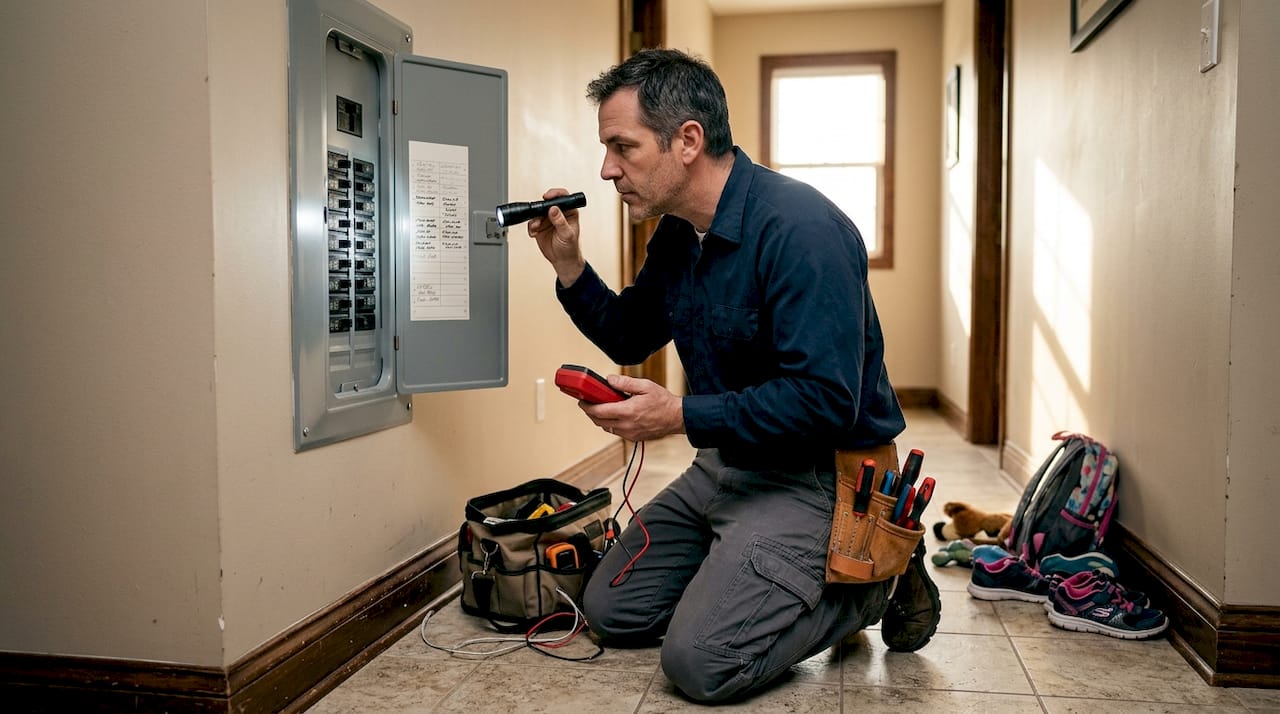
Electrical problems are more dangerous than most Edmond and Oklahoma City homeowners realize. 31,650 home fires occur every year due to improper electrical work, causing over $1.6 billion in property damage, 430 deaths, and 1,300 injuries annually. Yet many homeowners still gamble on DIY repairs or unlicensed handymen to save a few dollars. This article breaks down why professional electrical services are the smarter, safer, and ultimately more affordable choice for protecting your family, your property, and your monthly utility bill.
Table of Contents
- Why electrical safety is non-negotiable
- Professional electricians vs. DIY: What’s the real difference?
- How professional electrical services increase home value and efficiency
- When to call an electrician: Situations that demand a pro
- Perspective: Why cutting corners on electrical work isn’t worth it
- Connect with trusted electricians for safer, smarter homes
- Frequently asked questions
Key Takeaways
| Point | Details |
|---|---|
| Fire prevention | Professional electricians reduce the risk of fires and costly damage in your home. |
| Home value boost | Upgrades by certified experts increase property value and market appeal. |
| Energy savings | Efficient designs and maintenance by pros help lower utility bills. |
| When to call an expert | Serious warning signs like burning smells or repeated breaker trips require immediate professional help. |
Why electrical safety is non-negotiable
Electricity is invisible, silent, and unforgiving. Unlike a leaky faucet you can spot right away, faulty wiring hides inside your walls for months or years before triggering a disaster. That’s what makes electrical hazards so uniquely dangerous for homeowners in Edmond and the Oklahoma City Metro.
The numbers make it hard to ignore. Improper electrical work causes 31,650 home fires, 430 deaths, and $1.6 billion in damage every single year across the U.S. Oklahoma homes face additional exposure because of aging housing stock, frequent severe storms, and power surges that strain already-stressed electrical systems.
| Risk factor | Potential consequence |
|---|---|
| Outdated wiring (pre-1980s) | Overheating, fire risk |
| Overloaded panels | Breaker failure, shock hazard |
| Unlicensed repairs | Code violations, voided insurance |
| Storm-related surges | Equipment damage, panel failure |
“The most dangerous electrical problems are the ones you can’t see. A licensed inspection is the only reliable way to know what’s actually happening inside your walls.”
Local homes built before 1980 are especially vulnerable. Many still use aluminum wiring or undersized panels that were never designed to handle modern appliances, smart home devices, or EV chargers. Learning about panel hazards in Edmond homes can help you understand what to watch for before a small issue becomes a serious emergency.
Here are the warning signs that demand immediate attention:
- Burning or smoky smells near outlets or the breaker box
- Lights that flicker or dim without explanation
- Breakers that trip repeatedly under normal loads
- Outlets or switch plates that feel warm to the touch
- Buzzing or crackling sounds from walls or panels
None of these symptoms should be ignored or patched with a quick fix. The value of using licensed electricians is that they diagnose the root cause, not just the symptom, so the problem doesn’t come back worse.
Professional electricians vs. DIY: What’s the real difference?
Now that we’ve seen the stakes, let’s compare professional expertise versus DIY electrical work. The honest answer might surprise you.
Most homeowners who attempt DIY electrical work aren’t reckless. They’re budget-conscious and confident with basic home repairs. The problem is that electrical code changes frequently, and what was acceptable five years ago may now be a violation. Professionals train continuously to stay current with the National Electrical Code (NEC), which updates every three years.
| Factor | Licensed electrician | DIY |
|---|---|---|
| Code compliance | Always current | Often outdated |
| Permits and inspections | Handled automatically | Frequently skipped |
| Insurance coverage | Maintained | Often voided |
| Warranty on work | Typically included | None |
| Diagnostic tools | Professional grade | Limited |
| Fire prevention | Significantly higher | Unpredictable |
Here’s what the data shows: proper design and AFCIs installed by professionals prevent up to 50% of electrical fires. Arc fault circuit interrupters detect dangerous arcing in wiring before it ignites. DIY installations routinely miss this requirement because most homeowners don’t know it exists.
The steps a licensed electrician follows that a DIYer typically skips:
- Pull the required permits before starting any work
- Assess the full load on your panel before adding circuits
- Install AFCIs and GFCIs where code requires them
- Test all connections with professional diagnostic equipment
- Schedule a final inspection to confirm code compliance
Pro Tip: When hiring an electrician, always ask whether the job includes AFCI protection. If they say it’s not necessary, that’s a red flag. Modern NEC standards require AFCIs in most living spaces, and skipping them puts your home at real risk.
Understanding why licensed electricians matter goes beyond just following rules. It’s about having someone who carries liability insurance, pulls permits, and stands behind their work. If something goes wrong with a DIY repair and your insurer finds out, your claim can be denied outright. That risk alone outweighs any short-term savings. When you need finding local contractors you can trust, credentials and local reputation matter most.
How professional electrical services increase home value and efficiency
Beyond safety, professional services can also significantly improve your home’s value and cut unnecessary costs. This is where many homeowners leave real money on the table.
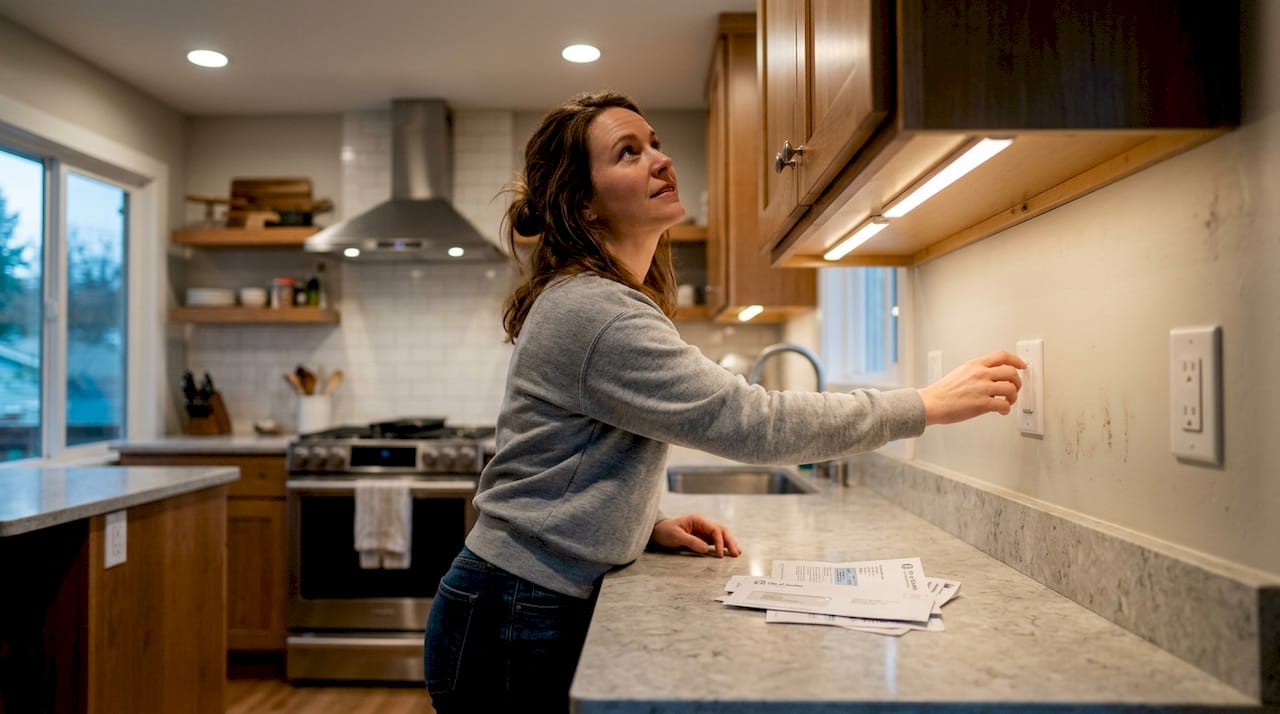
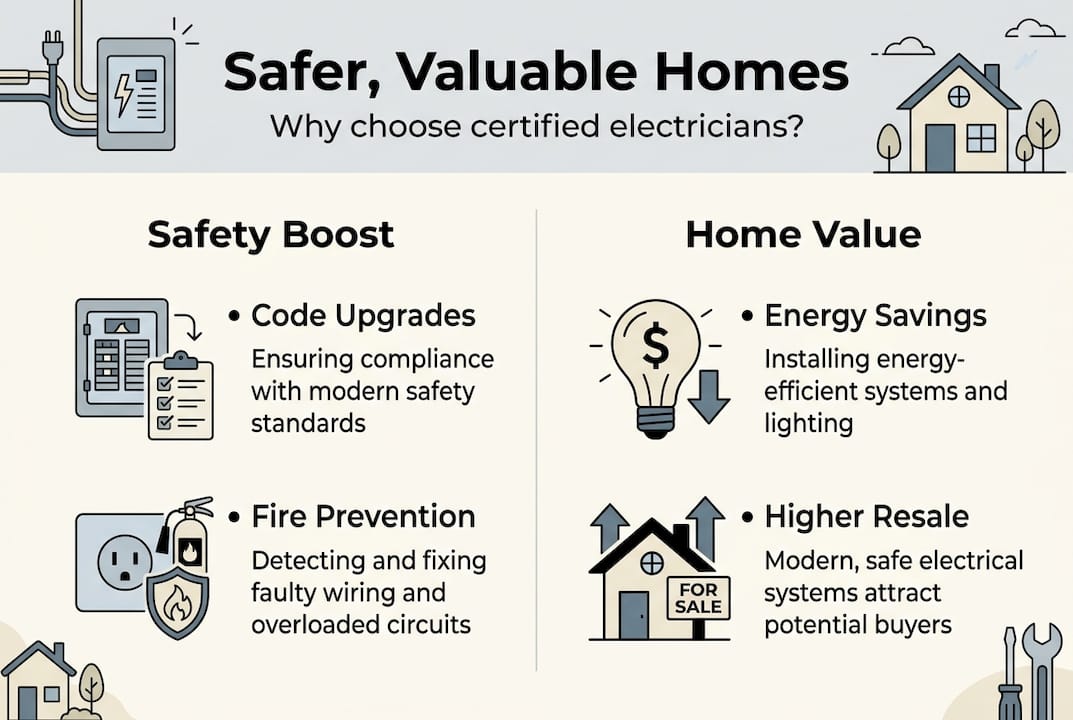
A professionally upgraded electrical system does three things at once: it makes your home safer, reduces your monthly utility costs, and makes your property more attractive to buyers when it’s time to sell. Professional upgrades reduce energy waste and lower utility bills by ensuring circuits are properly sized and not running inefficiently.
Here’s what professional upgrades typically include and why each one matters:
- Panel upgrades: A modern 200-amp panel handles today’s electrical demands without tripping or overheating, and it’s one of the first things home inspectors flag during a sale
- LED lighting conversions: Switching from incandescent to LED fixtures cuts lighting energy use by up to 75%, with no performance tradeoff
- Right-sized circuits: Oversized or undersized circuits waste energy and increase wear on appliances; a licensed electrician sizes them correctly the first time
- Whole-home surge protection: Protects every device in your home from power spikes caused by Oklahoma storms, not just the ones plugged into a power strip
- AFCI and GFCI upgrades: These devices are now required in most areas of new construction and add a measurable layer of protection against fire and shock
- Smart home integration: Professionally installed smart switches, thermostats, and EV chargers work reliably and don’t create compatibility or code issues
Exploring your options for upgrading home systems gives you a clearer picture of what’s possible within your budget. Each upgrade builds on the last, compounding both safety and savings over time.
Pro Tip: Schedule an annual electrical tune-up the same way you schedule an HVAC service. A quick inspection catches small issues before they become expensive repairs, and it keeps your system running at peak efficiency year-round. Consistent maintenance for efficiency is one of the most cost-effective habits a homeowner can build.
When to call an electrician: Situations that demand a pro
So when exactly should you reach for the phone and call a licensed electrician? Here’s a simple guide.
Many homeowners wait too long because they’re not sure whether a problem is serious enough to justify the call. The answer is almost always: yes, call. Repeated breaker trips or burning odors signal an urgent need for expert intervention and should never be dismissed as minor inconveniences.
Situations that always require a licensed electrician:
- Adding outlets or circuits for a new appliance or home office
- Renovating a kitchen, bathroom, or basement where wiring must be updated
- Damage from a storm, flood, or lightning strike
- Installing an EV charger or backup generator
- Purchasing an older home that has never had an electrical inspection
Emergency warning signs that mean stop what you’re doing and call now:
- Sparks from any outlet, switch, or appliance
- A burning smell with no obvious source
- Buzzing or humming from your breaker panel
- A switch or outlet that tingles or shocks when touched
- Any sign of scorching or discoloration around electrical fixtures
If you encounter any of these, don’t reset the breaker and hope for the best. Turn off power to the affected area at the panel if it’s safe to do so, keep everyone away from the area, and call a licensed electrician immediately. A thorough electrical system assessment will identify exactly what went wrong and what it takes to fix it safely.
Knowing the panel hazard signs specific to Edmond and OKC homes helps you act faster when something feels off. The faster you respond, the smaller the repair and the lower the risk to your family.
Perspective: Why cutting corners on electrical work isn’t worth it
Here’s something most advice articles won’t say directly: the myth that quick fixes save money is one of the most expensive beliefs a homeowner can hold.
We’ve seen it firsthand. An Edmond homeowner added a new circuit themselves during a kitchen remodel. The work looked fine on the surface. Eighteen months later, an inspection before a home sale revealed improper connections, missing permits, and a wiring configuration that had been slowly overheating inside the wall. The repair cost more than the original project, and the sale was delayed by weeks.
The real cost of cutting corners isn’t just the repair bill. It’s voided homeowner’s insurance, failed inspections, and ongoing energy loss from inefficient wiring. It’s also the stress of not knowing whether your home is actually safe. Investing in importance of routine maintenance and licensed work from the start eliminates all of that uncertainty. Your family deserves a home where the electrical system is something you never have to worry about.
Connect with trusted electricians for safer, smarter homes
Ready to make your home safer and more efficient? Here’s how to connect with local experts.
Shepherd Electrical serves homeowners across Edmond and the Oklahoma City Metro with certified, code-compliant electrical work you can count on. Whether you need a safety inspection, a panel upgrade, or emergency repairs, our team brings the training and tools to do the job right the first time.

Explore our full range of services or connect with our local professionals in Edmond and OKC to schedule your assessment, get a quote, or ask any questions. We make it easy to book online and even easier to feel confident about your home’s electrical system.
Frequently asked questions
What are the top signs I need a professional electrician?
If you notice burning smells or sparks, repeated breaker trips, or hot outlets, call a licensed electrician immediately because these are urgent safety warnings that won’t resolve on their own.
How do professional electrical services save me money?
Certified electricians eliminate energy waste, prevent costly emergency repairs, and boost your home’s resale value through smart upgrades that reduce energy waste and extend the life of your electrical system.
Can I do minor electrical work myself?
Even small mistakes carry serious risk, and improper electrical work is a leading cause of residential fires and injuries, so it’s always safest to trust a licensed pro for anything beyond swapping a light bulb.
Do electrical upgrades really boost home value?
Modern electrical systems are a top priority for buyers and inspectors alike, and upgrades improve value while reducing the ongoing repair costs that scare off potential buyers during inspections.
Need help with this at your home?
Shepherd Electrical helps Edmond and OKC metro homeowners with residential electrical service, repairs, upgrades, panels, EV chargers, solar, and backup power. Free estimates are available, and workmanship is backed by a lifetime guarantee.