

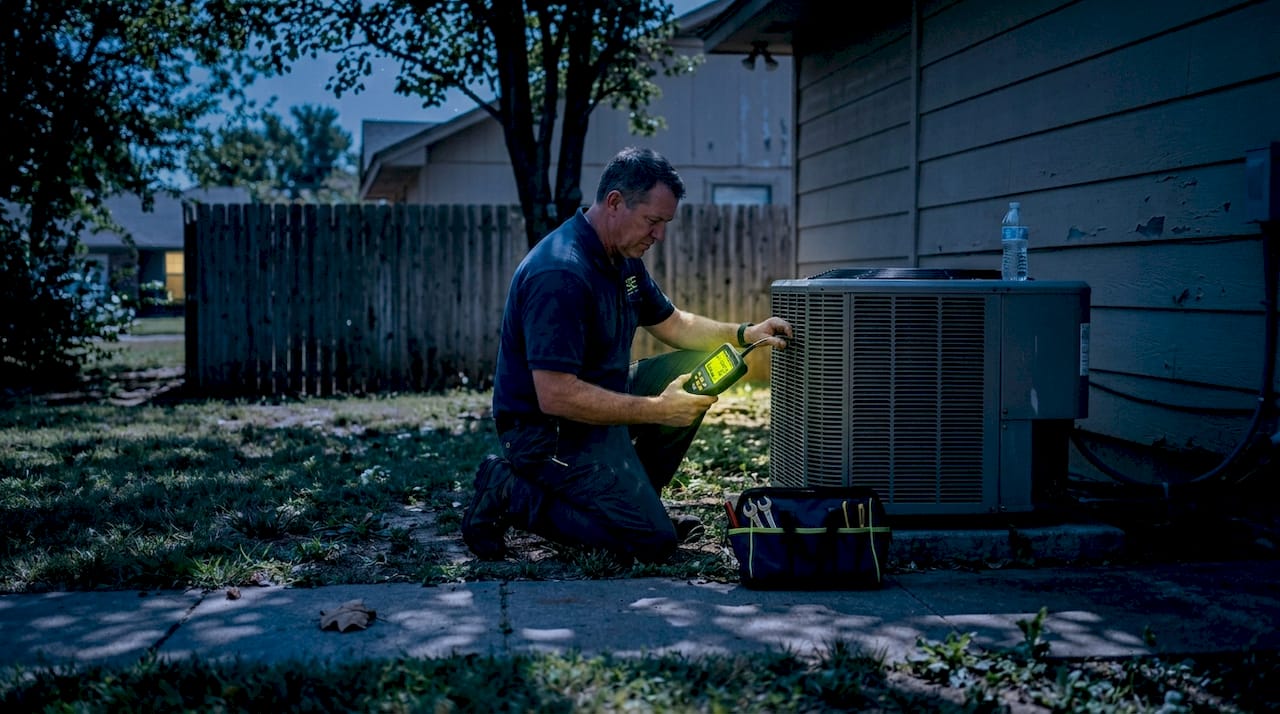
Oklahoma City metro homeowners face electricity bills reaching $300 in the peak summer months, yet a large portion of that cost is preventable. Between scorching July heat, ice storms in January, and everything in between, Oklahoma’s climate pushes home energy systems harder than in most states. The good news is that proven, locally available upgrades and programs can cut monthly bills by 25 to 40 percent. This article maps out the most effective strategies, from high-impact HVAC upgrades to quick fixes you can tackle this weekend, ranked so you know exactly where to start.
Table of Contents
- Prioritize HVAC and weatherization for largest savings
- Smart thermostats and time-of-use programs: Easy wins
- High-efficiency appliances: Focus on big-ticket replacements
- Quick fixes and overlooked upgrades for immediate impact
- What most Edmond and OKC homeowners miss about electrical efficiency
- Get expert help with your Edmond or OKC electrical upgrades
- Frequently asked questions
Key Takeaways
| Point | Details |
|---|---|
| Target HVAC and weatherization | Prioritizing HVAC upgrades and weather sealing delivers the biggest savings in the Oklahoma climate. |
| Use smart thermostats and time-of-use | Shift your energy use to off-peak hours and automate savings with local programs and smart devices. |
| Replace big-ticket appliances strategically | Upgrade major appliances when possible and check for available rebates to boost efficiency. |
| Quick fixes deliver fast results | Small maintenance tasks and panel upgrades can enhance safety while lowering your bills right away. |
| Leverage expert help | Connecting with local electricians ensures safe installations and maximizes your energy savings. |
Prioritize HVAC and weatherization for largest savings
Oklahoma’s climate is punishing. Summers hit triple digits for weeks at a time, and winters can swing 50 degrees in a single day. That reality means your HVAC system is almost always the biggest line item on your electric bill, and it’s where the biggest savings live.
The most important thing you can do is treat HVAC efficiency and building envelope sealing as a package deal. HVAC tune-ups and efficiency upgrades can yield up to 30% in energy savings, and OG&E’s Home Energy Efficiency Program has already exceeded its own savings targets by 109%. That is not a small margin. It reflects how dramatically underprepared most Oklahoma homes are for the local climate.
Here’s where to focus first:
- Air filters: Replace every 1 to 3 months. A clogged filter makes your system work 10 to 15 percent harder than it needs to.
- Annual tune-ups: A professional HVAC tune-up costs $80 to $150 and can prevent costly breakdowns while keeping efficiency high.
- High-SEER2 systems: If your unit is more than 12 years old, upgrading to a high-SEER2 system can cut cooling costs significantly.
- Duct sealing: Leaky ducts waste 20 to 30 percent of conditioned air before it ever reaches your rooms.
- Attic insulation: Adding or upgrading attic insulation is one of the highest-ROI investments for Oklahoma homes.
“The single biggest mistake Edmond and OKC homeowners make is spending money on smart plugs and LED bulbs while ignoring a 15-year-old HVAC system running at 50% efficiency. Fix the engine before you polish the chrome.”
If cost is a barrier, there is real help available. OG&E’s free energy savings program offers free home energy inspections, weatherization assistance, and rebates for qualifying low-income homeowners across the OKC metro. Separately, the Edmond Weatherization Program helps low-income Edmond residents access energy efficiency upgrades at no cost. If you qualify for either program, these are not offers to pass up.
Once your HVAC is dialed in, look at the best electrical upgrades that work alongside your heating and cooling system. Adding proper weatherstripping, door sweeps, and window caulking to a freshly tuned HVAC system multiplies your savings. These top residential upgrades tend to pay for themselves within one to two cooling seasons in Oklahoma’s climate.
Pro Tip: Before any HVAC upgrade, schedule a blower door test. This diagnostic tells you exactly where air is leaking out of your home so you can seal the right spots instead of guessing.
Smart thermostats and time-of-use programs: Easy wins
Once your HVAC and insulation are in good shape, the next move is getting smarter about when you use electricity. In Oklahoma, the time of day you run appliances and set your thermostat can matter almost as much as the equipment itself.
Oklahoma’s two main utilities, OG&E and PSO, both offer time-of-use rate programs. OG&E SmartHours and PSO PowerHours reward customers who shift heavy energy use to off-peak hours, typically evenings and weekends. That means running your dishwasher at 9 p.m. instead of 6 p.m. and pre-cooling your home before peak hours begin can meaningfully lower your bill every month.
Smart thermostats are the easiest way to automate this behavior. Here’s what they actually do for you:
- Pre-cooling: The thermostat drops your home temperature before peak hours begin, so the AC runs less during expensive rate windows.
- Learning your schedule: After a few weeks, most smart thermostats build a schedule based on when you are home and adjust automatically.
- Remote control: You can adjust settings from your phone if your schedule changes, avoiding wasted energy while you are away.
- Utility integration: Many smart thermostats can connect directly to OG&E SmartHours and make automatic adjustments on high-demand days.
- Energy reports: Monthly reports break down your usage so you can spot waste patterns you would never notice otherwise.
A smart thermostat typically costs $150 to $250 installed, and most homeowners see enough savings to recover that investment within one to two years. In Oklahoma’s long cooling season, the payback period is often faster.
Pro Tip: When enrolling in OG&E SmartHours, check the peak hours for your specific plan. For most residential customers, peak hours run from 2 p.m. to 7 p.m. on weekdays. Setting your thermostat to pre-cool to 74°F by 1:30 p.m. and then hold at 78°F during peak hours is a practical starting strategy.
Before locking in any rate program, get a full electrical inspection to make sure your panel and circuits can handle any new smart devices or appliances you are planning. It is a step most homeowners skip, and it can save you from surprises down the road.
High-efficiency appliances: Focus on big-ticket replacements
LED bulbs and power strips matter, but they are not going to move the needle the way major appliance upgrades can. The real savings come from replacing the systems that draw the most power consistently, such as HVAC, water heaters, and older refrigerators.
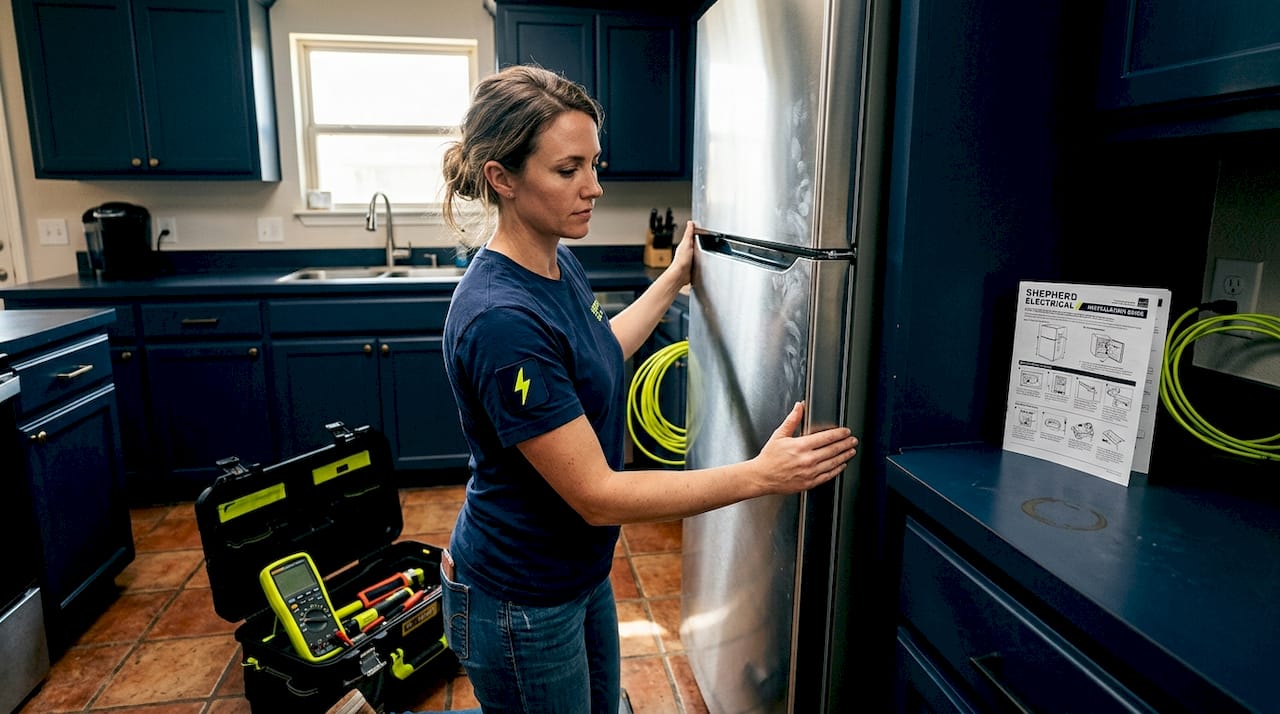
Here is a practical comparison of common upgrades for Edmond and OKC homeowners:
| Appliance or system | Typical age to replace | Estimated annual savings | Rebates available |
|---|---|---|---|
| Central AC (high-SEER2) | 12 to 15 years | $200 to $500 | PSO up to $800 |
| Heat pump water heater | 10 to 12 years | $300 to $500 | Federal tax credit 30% |
| Refrigerator (pre-2010) | 15 to 20 years | $100 to $200 | Varies by utility |
| Smart thermostat | Any age | $100 to $200 | OG&E rebates available |
| LED lighting upgrade | Any age | $50 to $150 | Minimal |
The biggest opportunity on this table is the HVAC upgrade. PSO rebates for high-SEER2 systems reach up to $800 for central AC units rated at 19.1 SEER2 or higher. When you stack a PSO rebate on top of potential federal tax credits, the net cost of upgrading drops substantially.
A few additional considerations for replacement decisions:
- Repair vs. replace rule: If an appliance repair costs more than 50 percent of a new unit’s price and the existing unit is more than 10 years old, replacement almost always makes more financial sense.
- New construction: If you are building or doing a major renovation, this is the best time to spec high-efficiency systems from the start. Retrofitting later costs more.
- Water heater priority: Heat pump water heaters are often overlooked but cut water heating costs by up to 70 percent compared to standard electric resistance units.
See the maintenance and efficiency tips for a deeper look at how routine upkeep affects the performance and lifespan of your major home systems.
Quick fixes and overlooked upgrades for immediate impact
After addressing the major systems, several smaller but highly effective upgrades deserve attention. These are the changes that most homeowners put off because they seem minor, yet together they can account for a meaningful portion of your monthly bill.
- Seal electrical outlets on exterior walls. Outlets are a surprisingly common source of air infiltration. Foam gaskets behind outlet covers cost about $0.50 each and take five minutes to install.
- Install a whole-home surge protector. Power surges damage appliances and reduce their lifespan, making them less efficient over time. A whole-home surge protector guards every circuit.
- Add occupancy sensors to high-traffic areas. Hallways, bathrooms, and garages are the easiest rooms to forget to turn off. Occupancy sensors eliminate that waste automatically.
- Check your water heater temperature. The default setting is often 140°F. Dropping it to 120°F reduces energy use and eliminates scalding risk.
- Upgrade to a smart power strip. Phantom loads, the electricity devices draw while on standby, can account for 5 to 10 percent of your home’s total energy use.
- Inspect your panel for oversized breakers. An oversized breaker does not protect circuits properly and can cause subtle inefficiencies and safety hazards.
Here is a quick data table showing the approximate monthly savings for some of these fixes:
| Quick fix | Estimated monthly savings | DIY or pro |
|---|---|---|
| Outlet gaskets on exterior walls | $3 to $8 | DIY |
| Occupancy sensors (3 to 5 rooms) | $5 to $15 | DIY or pro |
| Water heater set to 120°F | $5 to $15 | DIY |
| Smart power strip (2 to 3 used) | $5 to $10 | DIY |
| Whole-home surge protector | $3 to $8 (appliance savings) | Pro |
The Oklahoma electricity rates guide confirms that average OKC metro bills run between $120 and $180 monthly, spiking to $300 in summer. Shaving 25 to 40 percent off those numbers means real money back in your pocket every year.
If your home is more than 20 years old, one upgrade worth prioritizing above all the small fixes is a panel assessment. A dated or undersized panel creates bottlenecks that affect every circuit in your home. Learning how to upgrade your electrical panel safely is important context before making any major electrical decisions. And if you want to understand what a qualified electrician actually does during an efficiency upgrade, the residential electricians duties guide walks through costs and safety considerations in plain language.
Pro Tip: Pull your last 12 months of electric bills and graph your monthly usage. You will almost certainly see a spike pattern that reveals which months and habits are costing you the most, and that tells you exactly where to focus first.
What most Edmond and OKC homeowners miss about electrical efficiency
Here is something worth saying plainly: most homeowners approach efficiency as a checklist of individual gadgets, and that is why so many efficiency projects underperform.
The homeowners who see dramatic, sustained reductions in their bills think about their home as a system. Your HVAC does not operate in isolation. It interacts with your insulation, your panel, your windows, your appliances, and your behavior. When you upgrade one part without considering the others, you leave savings on the table.
Oklahoma’s climate makes this systems thinking even more important. Because the temperature range here is so extreme, a home that performs reasonably well in a mild spring can hemorrhage energy in July. That demands upgrades that address multiple failure points at once, not just one clever device.
The data from OG&E’s demand programs makes this point better than any anecdote. OG&E’s energy efficiency programs that combine HVAC improvements with weatherization and behavioral changes routinely hit and exceed their savings targets. Programs focused on single-measure fixes perform far less consistently.
The second thing most homeowners miss is how much local utility programs change the math. Rebates, free inspections, and time-of-use pricing are not widely advertised, but they can turn an upgrade that looks borderline into one with a two-year payback. The best upgrades for Edmond homes are almost always the ones that combine good equipment choices with available incentives.
The bottom line is this: stop optimizing individual line items and start optimizing the whole system. That shift in thinking is what separates homeowners who cut 10 percent off their bills from those who cut 35 percent.
Get expert help with your Edmond or OKC electrical upgrades
Knowing what to upgrade is half the battle. Getting it done correctly and safely is the other half.

At Shepherd Electrical, we work with Edmond and Oklahoma City homeowners every day to assess their current systems, identify the highest-value upgrade opportunities, and handle everything from panel replacements to smart thermostat installations. Whether you’re starting with a full electrical services overview or ready to move forward with a specific upgrade, our team brings local expertise and licensed professional work to every job. Not sure where to start? Our residential maintenance guide covers what a professional assessment covers, and our guide to choosing an electrical contractor helps you know what to look for. Book online today and take the first step toward a more efficient, lower-cost home.
Frequently asked questions
What programs offer free energy efficiency improvements in Oklahoma City and Edmond?
OG&E’s free programs offer no-cost home energy inspections and weatherization for qualifying low-income homeowners, and the Edmond Weatherization Program provides similar assistance specifically for Edmond residents.
How much can homeowners in Oklahoma save with electrical efficiency upgrades?
Most OKC metro homeowners can reduce their bills by 25 to 40 percent through a combination of HVAC, weatherization, and behavioral changes, which translates to $30 to $120 per month depending on your current usage.
Are rebates available for upgrading HVAC systems in Edmond and the OKC Metro?
Yes, PSO offers up to $800 in rebates for central AC systems rated 19.1 SEER2 or higher, and federal tax credits may stack on top of those rebates for additional savings.
What are the easiest ways to cut peak electricity charges in Oklahoma?
Enrolling in OG&E SmartHours or PSO PowerHours and pairing those programs with a smart thermostat lets you shift high-draw activities to off-peak hours automatically, often without any noticeable change to your comfort.
Should I upgrade my electrical panel for energy efficiency?
A panel upgrade primarily improves safety and capacity, but it also ensures your home can support new high-efficiency appliances and systems. Learn more about the process with this step-by-step panel guide before deciding.
Recommended
- Best Electrical Upgrades for Edmond and OKC Homes
- Top Residential Electrical Upgrades for Edmond Homeowners
- Residential Electrical Maintenance: Safety and Efficiency Guide
- Residential electricians: duties, costs & safety in Edmond
Need help with this at your home?
Shepherd Electrical helps Edmond and OKC metro homeowners with residential electrical service, repairs, upgrades, panels, EV chargers, solar, and backup power. Free estimates are available, and workmanship is backed by a lifetime guarantee.