

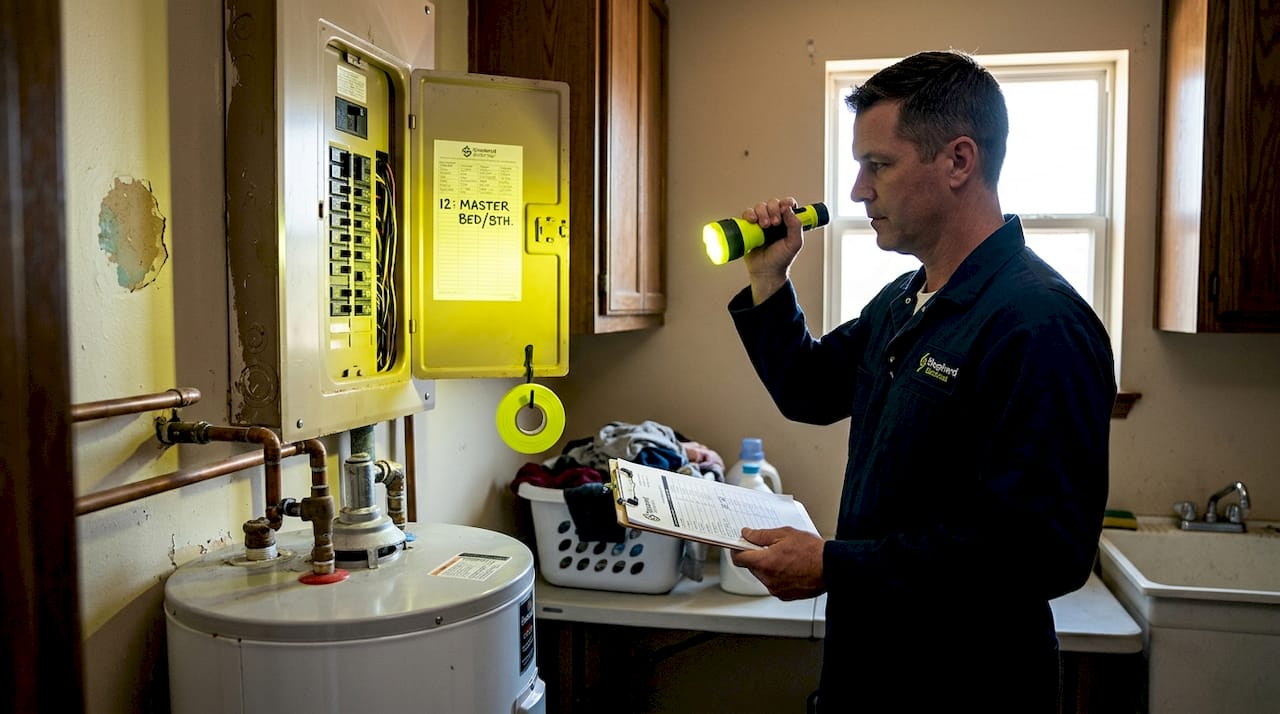
Nearly 1 in 5 home inspections uncover electrical problems, and electrical malfunctions trigger roughly 47,000 house fires across the United States every year. For homeowners and small business owners in the Oklahoma City Metro area, that statistic is more than a number — it’s a real risk sitting behind every wall. A thorough, code-aligned electrical inspection checklist gives you a structured way to catch problems before they turn into fires, failed permits, or expensive emergency calls. This article walks you through exactly what to check, when to check it, and when to hand things off to a licensed electrician.
Table of Contents
- Understand Oklahoma City’s current code requirements
- The essential electrical inspection checklist items
- Comparison: DIY checks vs. licensed electrician inspections
- How often should you inspect? Frequency, red flags, and insurance requirements
- The truth most guides miss: local edge cases can make or break your safety
- Need a thorough inspection or urgent repair? Here’s how Shepherd Electrical can help
- Frequently asked questions
Key Takeaways
| Point | Details |
|---|---|
| NEC 2023 compliance | Oklahoma City requires inspections to align with the latest National Electrical Code for safety and legal standards. |
| Checklist covers common hazards | The checklist targets local risks like outdated wiring, moisture, and surge damage. |
| When to hire a pro | Use a licensed electrician for panels, wiring, and any repairs involving code compliance. |
| Inspection frequency matters | Inspect electrical systems at least every 3-5 years and after storms or renovations. |
| DIY vs. expert tasks | Some checks are homeowner-friendly, but full inspections need professional expertise for safety. |
Understand Oklahoma City’s current code requirements
With the risks clear, the next step is to align your checklist with the most up-to-date safety codes specific to Oklahoma City. Codes are not static documents. They evolve as electricians and fire investigators learn more about what causes failures, fires, and injuries. Staying current with your local adoption schedule is not optional — it’s the foundation of any inspection worth doing.
Oklahoma made a significant change recently. Oklahoma adopted the 2023 NEC (National Electrical Code) effective September 14, 2024, replacing the previous edition statewide. The NEC is the nationally recognized benchmark for safe electrical installation, and every major revision brings updated requirements for things like arc-fault circuit interrupter (AFCI) protection, ground-fault circuit interrupter (GFCI) coverage, and whole-home surge protection.
Here’s what the 2023 NEC means in practical terms for Oklahoma City properties:
- AFCI protection is now required in nearly all living spaces, not just bedrooms. This matters because arc faults — tiny electrical sparks inside walls — are a leading cause of residential fires.
- GFCI protection has been expanded to cover more areas, including garages, crawl spaces, unfinished basements, and outdoor receptacles within 20 feet of a pool or hot tub.
- Surge protection at the service panel is now a code-required component in new construction and major renovation projects. Oklahoma’s severe storm season makes this especially relevant.
- Any new electrical work or permitted renovation in OKC must meet the 2023 NEC, regardless of when your home was originally built.
You can get a closer look at what these code changes mean for your specific property through our Oklahoma home inspection guide. Understanding the code first makes every item on your checklist more meaningful because you know exactly why each requirement exists.
Inspections are legally required when you pull a permit for new work, when you’re selling a commercial property, or when a complaint triggers a state review. Outside of those situations, routine inspections are best practice rather than a legal mandate. But “best practice” is putting it mildly — a missed hazard in an older OKC home can mean a six-figure repair bill or something far worse.
The essential electrical inspection checklist items
Once the basics of code compliance are understood, here’s a practical checklist to walk through step by step. A proper inspection covers core items including the panel, wiring, outlets, grounding, fixtures, surge protection, and load testing. Below is a numbered breakdown of how to approach each category.
-
Electrical panel and breakers. Open the panel and look for signs of scorching, rust, moisture, or melted plastic. Check that each breaker is clearly labeled and matches the circuit it controls. Double-tapped breakers — where two wires share a single breaker terminal — are a common violation found in older OKC homes and a fire hazard. Understand the basics of residential installation before touching anything inside the panel yourself.
-
Wiring type and condition. Identify whether your home has copper, aluminum, or older knob-and-tube wiring. Aluminum wiring, common in homes built from the 1960s through the 1970s, expands and contracts more than copper and requires special connectors and outlets rated for aluminum. Knob-and-tube wiring has no ground conductor and can’t safely support modern electrical loads.
-
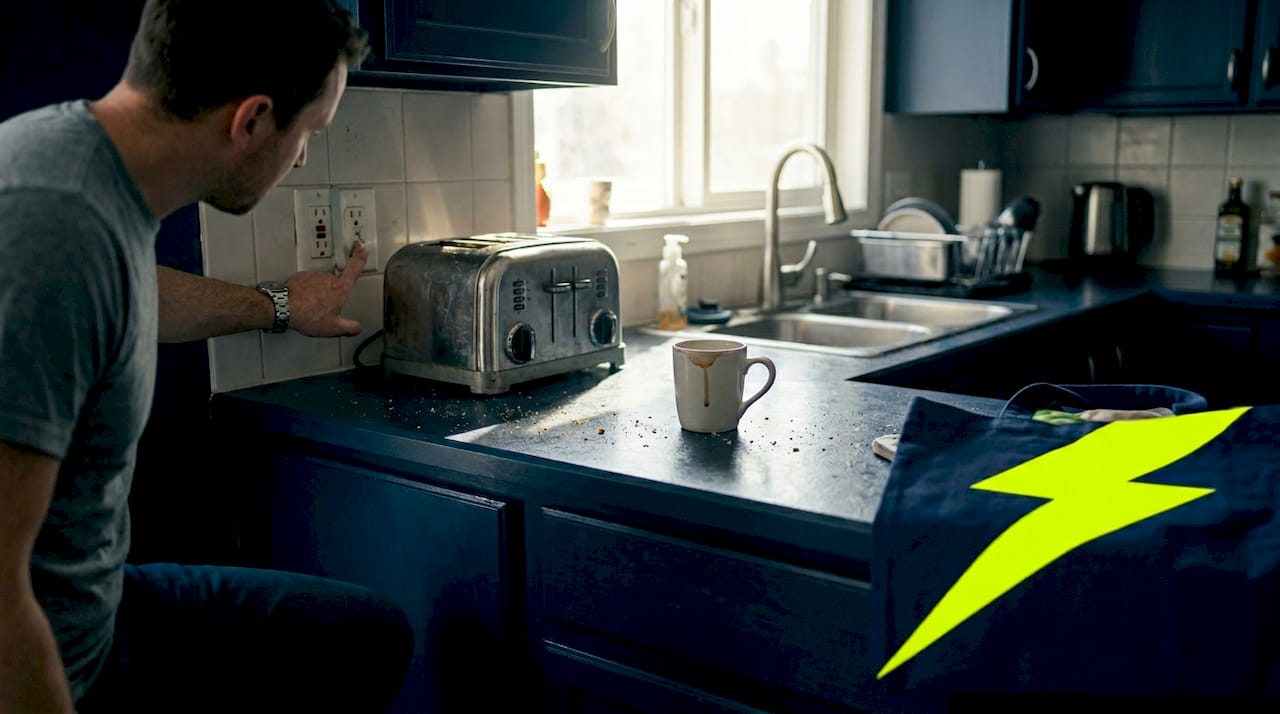
Outlets and receptacles. Test every GFCI outlet using its built-in test button. Check for warm or discolored outlet covers, which signal overloading or a loose connection. Verify that three-prong outlets are actually grounded — an ungrounded outlet with a three-prong cover is dangerously misleading. Check polarity with a simple outlet tester available at any hardware store.
-
Grounding and bonding. Confirm that the panel’s grounding electrode is properly connected. Check that metal water pipes and gas lines are bonded to the electrical system as required by the NEC. Poor grounding is invisible until a fault occurs — then it becomes a lethal shock hazard.
-
Lighting fixtures and ceiling fans. Look for flickering lights, which often point to loose connections rather than a bad bulb. Check that fixtures in wet or damp locations are rated for that environment. Ceiling fans need to be mounted on fan-rated boxes, not standard light fixture boxes.
-
Surge protection. Given Oklahoma’s tornado and thunderstorm activity, whole-home surge protection at the service panel is critical. Check whether a surge protective device (SPD) is installed. If not, this is a priority upgrade under both the 2023 NEC and basic common sense.
-
Load testing and circuit capacity. Check whether any circuits are routinely tripping. Nuisance tripping often signals an overloaded circuit rather than a faulty breaker. A kitchen, laundry room, or home office running heavy appliances may need a dedicated 20-amp circuit.
“An electrical checklist is only as good as the follow-through. Identifying a hazard without fixing it is like finding a gas leak and leaving the window cracked.”
Pro Tip: Before you test outlets or flip breakers, take photos of your panel’s current labeling. It creates a quick reference and documents the state of your system before any work begins, which is useful for insurance purposes.
Your local residential electricians cover all of these categories during a professional inspection, and they’ll often catch things that don’t appear on any standard checklist. Following solid electrical maintenance practices between inspections also extends the life of your system and reduces emergency repair costs.
Comparison: DIY checks vs. licensed electrician inspections
With a clear checklist in hand, you might wonder which tasks are DIY-safe and when expert help is critical. The honest answer is that homeowners can handle a meaningful portion of the visual and functional checks, but anything involving the panel, wiring inside walls, or code compliance documentation requires a licensed electrician.
Oklahoma’s Construction Industries Board confirms that basic visual checks are homeowner-appropriate, but full inspections for safety and code compliance — especially those governed by OSHA standards and NFPA 70E — must be performed by a licensed professional. Here’s a clear breakdown:
| Task | DIY-safe | Licensed electrician required |
|---|---|---|
| Test GFCI outlets with test button | Yes | No |
| Look for scorch marks or melted covers | Yes | No |
| Check smoke and CO detector function | Yes | No |
| Inspect cords for fraying or damage | Yes | No |
| Identify double-tapped breakers (visual only) | Yes | Call a pro to fix |
| Test outlet polarity with a plug-in tester | Yes | No |
| Replace a panel breaker | No | Yes |
| Install new circuits or wiring | No | Yes |
| Assess aluminum or knob-and-tube wiring | No | Yes |
| Pull a permit and document code compliance | No | Yes |
| Perform load calculations for a panel upgrade | No | Yes |
DIY-friendly checks give you valuable information, but they come with a hard limit. If you’re selling your home, filing an insurance claim after storm damage, or completing a renovation, your insurer and the city will want documentation from a licensed electrician, not a self-inspection checklist.
Why this matters for insurance: Many homeowners don’t realize that undocumented electrical hazards can give an insurer grounds to deny a fire or damage claim. Getting a professional electrical system assessment creates a paper trail that protects you.
Pro Tip: If you’re hiring an electrician in Oklahoma City, always verify their CIB license number before work begins. It takes 30 seconds on the state website and protects you legally.
How often should you inspect? Frequency, red flags, and insurance requirements
Understanding who should inspect is crucial, but so is knowing when and why to schedule regular electrical reviews. The general guidance is to inspect every 3 to 5 years, with electrical malfunctions costing Americans $1.6 billion in property damage annually. That figure makes the cost of a professional inspection look very reasonable.
Here’s a practical schedule based on property type:
| Property type | Recommended inspection interval |
|---|---|
| Owner-occupied home (built after 2000) | Every 5 years |
| Owner-occupied home (built before 1980) | Every 3 years |
| Rental property | Before each new tenant, then every 3 years |
| Small commercial property | Every 3 years or per local fire code |
| After major storm or flood | Immediately |
| Before buying or selling | Always |
Beyond the calendar, certain red flags should trigger an immediate inspection regardless of when the last one occurred:
- Breakers tripping repeatedly on circuits that aren’t overloaded
- GFCI outlets that won’t reset or trip without an obvious cause
- Burning smell from outlets, panels, or light switches
- Flickering or dimming lights that aren’t tied to a specific appliance cycling on
- Visible rust, moisture, or corrosion on your panel, outlets, or exterior fixtures
- Warm walls near outlets or switches, especially after rain
For Oklahoma City properties, add one more trigger to the list: any significant tornado, hail, or lightning event. These storms can damage underground service entries, exterior junction boxes, and meter bases in ways that aren’t obvious from inside the house. Knowing when to upgrade your electrical system after storm damage can save you from a much costlier repair down the road.
Insurance companies increasingly review electrical age and condition during policy renewals. If your home has aluminum wiring, a Federal Pacific or Zinsco panel, or a system last updated before 1990, your coverage could be affected. Documenting recent inspections and completed upgrades gives you leverage in those conversations.
The truth most guides miss: local edge cases can make or break your safety
Beyond technical details, here’s a perspective informed by years of Oklahoma City electrical inspections. Most generic checklists treat all homes the same. They assume copper wiring, a properly grounded modern panel, and outlets that were installed within the last 25 years. Oklahoma City’s housing stock doesn’t always fit that mold — and that gap is where serious hazards hide.
Older OKC homes frequently have aluminum wiring, knob-and-tube systems, GFCI nuisance tripping from moisture, and storm-related corrosion that a standard checklist glosses over. An aluminum-wired home might pass a visual check at every outlet while quietly building heat at every connection point inside the walls. Knob-and-tube wiring in an attic might look intact but be surrounded by insulation that was blown in decades later — a serious fire risk because that wiring needs open air to dissipate heat.
Here’s the contrarian advice most guides skip: stop prioritizing outlet swaps and start prioritizing your panel and wiring. Homeowners often get caught up in replacing outlets, switching to smart switches, or adding USB receptacles. Those upgrades feel productive. But if your panel has known hazard issues or your wiring is aluminum connected with standard copper-rated devices, no number of new outlets will make you safer.
Oklahoma’s weather adds a layer that out-of-state guides consistently miss. A lightning strike three blocks away can send a surge through your service entrance that damages appliances, cripples AFCI breakers, and leaves your panel humming with latent damage that shows up six months later as mystery tripping. Whole-home surge protection isn’t a luxury upgrade here — it’s basic risk management.
Our honest take after inspecting homes across the OKC Metro: systems that barely pass a cursory inspection are often the most dangerous. “Passable” means everything looks functional right now, not that nothing will fail under load or during the next severe weather event. If a licensed electrician gives you a list of recommended fixes, treat that list as prioritized by risk, not by cost.
Need a thorough inspection or urgent repair? Here’s how Shepherd Electrical can help
If your checklist signals a problem, or you simply want the peace of mind that comes from a professional review, Shepherd Electrical is ready to step in. We serve homeowners and small business owners throughout Edmond and the Oklahoma City Metro with inspections, code-compliant upgrades, and emergency repairs.

Our licensed electricians understand Oklahoma’s 2023 NEC adoption, local storm hazards, and the specific wiring types common in OKC’s older neighborhoods. Whether you need a full electrical review, a panel assessment, or help documenting your system for insurance purposes, we cover it all through our full-service electrical inspections. You can also find a local Shepherd Electrical technician near you, or learn how to choose the right electrical contractor if you’re comparing your options. Book online in minutes and get an expert on-site fast.
Frequently asked questions
What is the latest electrical code for Oklahoma City Metro home inspections?
The 2023 NEC was adopted statewide in Oklahoma effective September 14, 2024, and serves as the baseline standard for all permitted electrical work and inspections in the OKC Metro area.
How frequently should I get an electrical inspection for my home or business?
Electrical inspections are recommended every 3 to 5 years, or immediately following major storms, renovations, property purchases, or when warning signs like repeated tripping or burning smells appear.
What are the most common electrical hazards found in OKC homes?
Aluminum wiring and knob-and-tube systems are frequently found in older OKC homes, along with double-tapped breakers, moisture-related corrosion in panels, and insufficient surge protection given Oklahoma’s severe weather exposure.
What electrical items can I safely check myself?
Homeowners can test GFCI outlets, inspect cords and outlet covers for damage, and check smoke detectors, but licensed electricians are required for panel work, wiring assessments, and any code compliance documentation.
Does Oklahoma require mandatory electrical inspections outside of complaints or new installations?
There is no statutory requirement from the Construction Industries Board for routine inspections outside of complaints or unpermitted work, but regular professional inspections are strongly recommended for both safety and insurance protection.
Recommended
- Electrical system assessment for safer homes: 2026 guide
- Home electrical inspection guide: what homeowners must know
- Commercial wiring: safety and energy efficiency guide
- Your complete guide to residential electrical installation
Need help with this at your home?
Shepherd Electrical helps Edmond and OKC metro homeowners with troubleshooting, repairs, GFCIs, outlets, and safety inspections. Free estimates are available, and workmanship is backed by a lifetime guarantee.