

TL;DR:
- Apartment panels often require upgrades when they can no longer safely support modern electrical loads like EV chargers and smart appliances.
- A licensed electrician can evaluate your system using NEC 220 load calculations and inspect for safety hazards, rust, or recalled brands.
Apartment electrical panels need upgrades when they can no longer safely carry today’s loads under NEC 220 and NFPA standards. That’s the short answer. The longer one is that most apartment panels were designed decades ago, before EV chargers, smart appliances, in-unit laundry, and home office setups became standard. When those loads pile up, the panel doesn’t announce a problem. It just starts failing quietly, through tripped breakers, flickering lights, and heat building inside the box.
Here’s what to do right now:
-
Inspect your panel for scorch marks, rust, a warm cover, or a label that reads Federal Pacific, Zinsco, or Pushmatic.
-
Request a written NEC 220 load calculation from any electrician before agreeing to any scope of work.
-
Call a licensed, insured electrician to evaluate whether your service amperage still matches your actual building loads.
In Edmond and the OKC area, Shepherdelectricalconstruction handles exactly this. Call or text (405) 406-1026 or book online to schedule an evaluation.
Table of Contents
- 1. Why apartment panels need upgrades: the core reasons
- 2. Common signs your apartment panel needs upgrading
- 3. What an electrical panel upgrade actually involves
- 4. What does an apartment panel upgrade cost?
- 5. Alternatives and interim solutions when a full upgrade isn’t yet needed
- 6. Safety and code considerations inspectors check for
- 7. How to choose a qualified electrician for a panel upgrade
- Key Takeaways
- A local contractor’s perspective on why proactive upgrades pay off
- Shepherdelectricalconstruction handles panel upgrades across Edmond and OKC
- Sources and further reading
- FAQ
1. Why apartment panels need upgrades: the core reasons
The honest answer covers four overlapping problems: capacity, safety, code compliance, and future-proofing. Most panels in apartments built before 2000 were sized for a much lighter electrical world.
Capacity and modern electrification. Older apartment buildings were designed with light electrical loads in mind. Incremental additions like in-unit laundry, central HVAC, and Level 2 EV chargers quietly push systems past their original design limits. A 48A Level 2 EV charger is treated as a 60A continuous load under the NEC 125% sizing rule, which can push a 100A service over its allowable load on its own.
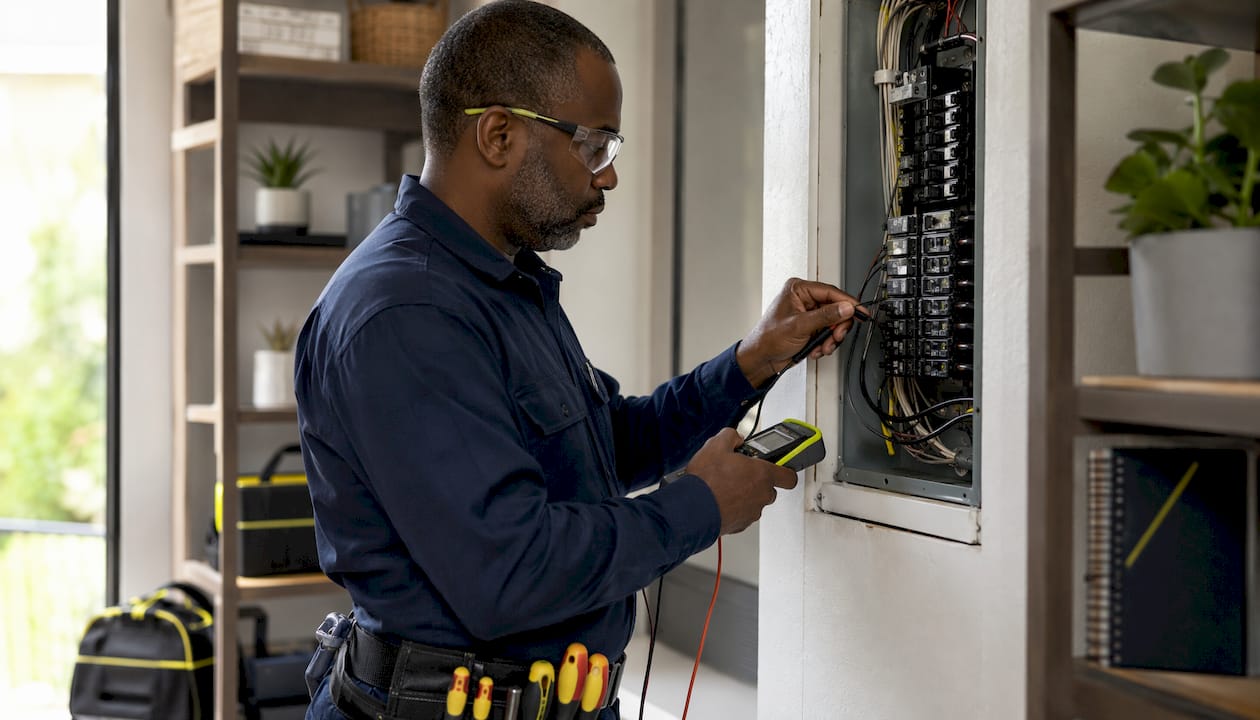
Safety. Electrical systems should run at no more than 80% of rated capacity. Running consistently near the limit accelerates heat and resistance inside breakers and wiring, degrading components before any visible failure appears. Recalled panel brands, failed breakers, and aging bus bars raise fire risk and, increasingly, insurance exposure.
Code compliance. NEC 220 load calculations, AFCI/GFCI breaker requirements, and whole-home surge protection recommendations all reflect current safety standards. A panel that passed inspection in 1985 may not meet today’s requirements when new circuits are added.
Future-proofing and tenant satisfaction. Fewer nuisance trips, room for new circuits, and higher property value are real, measurable benefits of panel upgrades. A 200A panel gives a property room to grow.
Common panel sizes and typical uses
| Panel Size | Typical Use Case | Notes |
|---|---|---|
| 100A | Older apartments, basic lighting and appliances | Often insufficient for EV chargers or added HVAC |
| 150A | Mid-size units with some modern appliances | Limited headroom for electrification |
| 200A | Modern full-electric homes and apartments | Recommended for EV charging, heat pumps, in-unit laundry |
80% safe-load rule: Electrical systems should stay at or below 80% of rated capacity under steady loads. The NEC also requires circuits for continuous loads to be sized at 125% of the actual load draw.
2. Common signs your apartment panel needs upgrading
Some warning signs are urgent. Others are inspection-level red flags. Here’s how to triage them.
Immediate danger — stop and call now:
- Burning smell or scorch marks near the panel
- Visible smoke or a warm panel cover
- Buzzing, arcing, or crackling sounds from inside the box
High-urgency operational signs:
- Breakers that trip repeatedly under normal use (not during a storm or overload event)
- Lights that flicker or dim when a large appliance starts up
- Outlets or switches that feel warm to the touch
Inspection-level red flags (these require a licensed electrician to evaluate, not a DIY look):
- Panel brand is Federal Pacific (Stab-Lok), Zinsco, or Pushmatic, which have documented failure-to-trip rates
- Fused panels or double-tapped breakers (two wires under one breaker terminal)
- Rust, water staining, or corrosion inside the enclosure
- Every breaker slot is full with no room for new circuits
- Two-prong ungrounded outlets throughout the unit
For a localized checklist of OKC warning signs, Shepherdelectricalconstruction has a dedicated resource worth reviewing before you call.
Pro Tip: Never open the panel cover yourself to investigate. The bus bars inside carry live voltage even when the main breaker is off. If you see any of the immediate-danger signs above, leave the area and call a licensed electrician.
3. What an electrical panel upgrade actually involves
The process is more structured than most residents expect. Here’s the typical sequence for a single-unit upgrade:
- Site visit and inspection. The electrician assesses the existing panel, service entrance, meter, and wiring condition.
- NEC 220 load calculation. Using NEC 220.82 or 220.83, the electrician calculates total amperage demand for existing and proposed loads. This document should be provided in writing.
- Written estimate and scope of work. You receive an itemized quote covering panel, labor, permit fees, and any additional work (rewiring, dedicated circuits, surge protection).
- Permit application. The electrician pulls a permit from the local authority having jurisdiction (AHJ). In Oklahoma, this is typically the city building department.
- Scheduled outage and replacement. A single-unit panel swap usually takes a few hours to one full day. The power is off only during the swap itself.
- Inspection and sign-off. A city inspector verifies the work meets code before the permit closes. This sign-off matters for insurance and resale.
Multi-unit or main-service upgrades are a different story. Utility coordination may require transformer or meter-bank work, and the timeline can stretch from days to weeks. Tenant scheduling and temporary power planning become part of the job.
Pro Tip: Ask your electrician to provide the NEC 220 load calculation in writing before work begins. If they can’t or won’t, that’s a red flag. Also ask about scheduling the outage during a vacancy or low-occupancy window to reduce tenant impact.
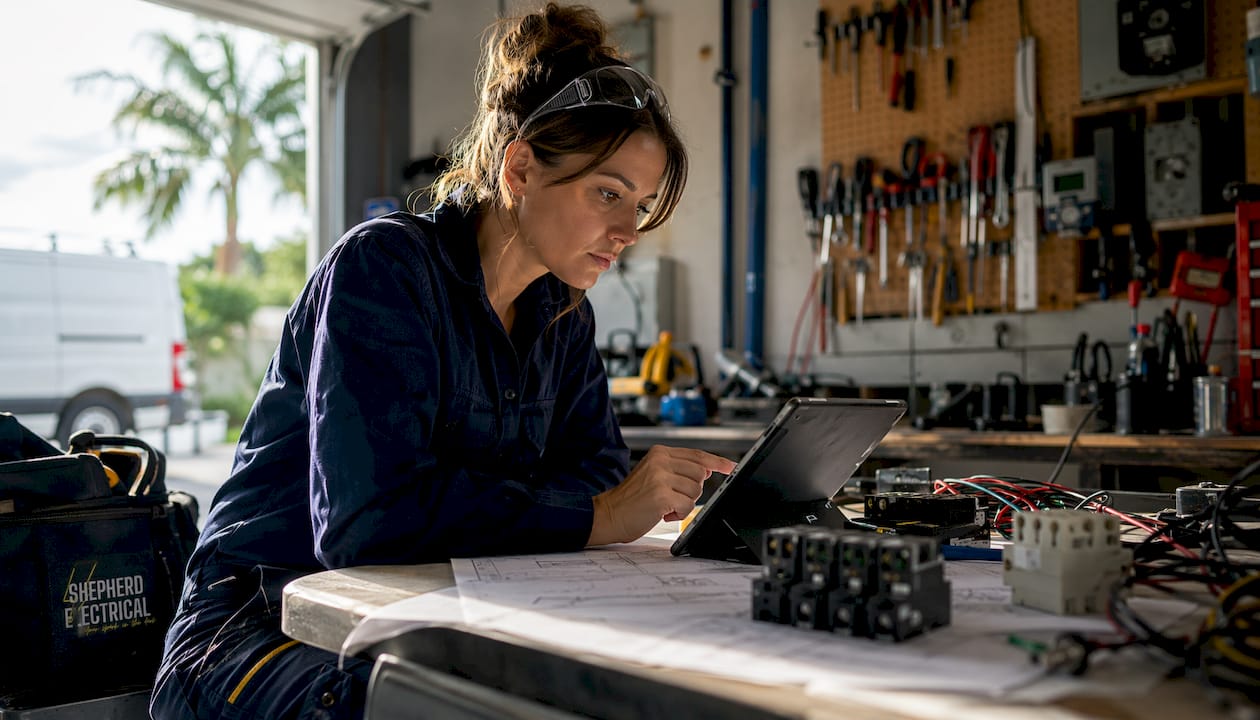
For a step-by-step breakdown of the full process, Shepherdelectricalconstruction’s panel upgrade guide walks through each milestone in plain language.
4. What does an apartment panel upgrade cost?
Cost varies widely depending on scope. Here are realistic ballpark ranges for common scenarios in the OKC area.
| Scenario | Estimated Range | Key Variables |
|---|---|---|
| Single-unit 100A → 200A panel swap | $1,500–$3,500 | Meter work, permit, panel brand |
| Panel-only replacement (same amperage) | $800–$2,000 | Labor, brand, breaker count |
| Multi-unit main service upgrade | $5,000+ | Utility coordination, transformer work, tenant scheduling |
| Adding a dedicated circuit or EV-ready spur | $300–$800 per circuit | Distance from panel, conduit needs |
According to NYSERDA, electric panel upgrades often cost between $3,000 and $5,000 when a full service upgrade is included. Oklahoma pricing can run lower, but the range depends heavily on whether utility work is required.
Optional add-ons that increase upfront cost but pay off long-term include whole-home surge protection, AFCI/GFCI breakers, and dedicated appliance circuits. Contractors commonly recommend bundling these during a panel upgrade since the panel is already open and labor costs overlap.
Pro Tip: When comparing bids, require identical scope across all quotes: NEC 220 load calculation, permit costs, materials list, and labor. A bid that omits the permit or load calc isn’t a lower price. It’s an incomplete job.
5. Alternatives and interim solutions when a full upgrade isn’t yet needed
A full service upgrade isn’t always the immediate answer. Several interim options can extend the life of an existing panel or defer a costly upgrade, but only when a written load calculation confirms they’re appropriate.
- Intelligent load-management systems (sometimes called smart panels or circuit-sharing devices) can shift high-demand loads like EV chargers and water heaters to prevent peak demand from exceeding service limits. NYSERDA notes that a smart panel can manage a fully electrified home with less overall capacity by cycling major equipment on and off.
- Subpanels add breaker space when the main panel is full but service amperage is still adequate. This is a common solution for apartments adding a laundry circuit or home office circuits.
- Dedicated circuit additions address specific high-draw appliances without touching the main panel, provided the load calc shows available headroom.
- Targeted breaker replacements can resolve nuisance trips caused by worn breakers, but only when the underlying load is within the panel’s rated capacity.
When alternatives are not appropriate: if the panel brand is recalled (Federal Pacific, Zinsco), if the load calculation shows the service is already over capacity, or if there are visible safety defects, no interim solution is a substitute for replacement.
A practical example: adding a Level 2 EV charger to a 100A apartment. If the NEC 220 load calc fails, the options are a service upgrade or a managed charging system with controlled load sharing. The load calc tells you which path is safe.
Pro Tip: Any electrician recommending an interim solution should provide the written load calculation showing why it’s acceptable and, ideally, for how long before a full upgrade becomes necessary.
6. Safety and code considerations inspectors check for
When an inspector reviews a panel upgrade, they’re working from a specific checklist. Understanding what they look for helps property owners know what a proper upgrade actually includes.
NEC requirements relevant to upgrades:
- NEC 220 load calculation methods (220.82 for existing dwellings, 220.83 for added loads)
- 125% continuous-load sizing for circuits serving EV chargers, HVAC, and similar equipment
- AFCI breaker requirements for bedrooms and living areas in new or upgraded installations
- GFCI protection for kitchens, bathrooms, garages, and outdoor circuits
- Whole-home surge protection, now recommended under NEC 230.67
Inspector checkpoints:
- Proper grounding and bonding at the panel and service entrance
- Correct breaker types for each circuit (AFCI, GFCI, or standard as required)
- No double-tapped breakers unless the panel is rated for them
- No visible corrosion, scorch marks, or water intrusion
- Panel is accessible, properly labeled, and not blocked by storage
Consequences of ignoring these items are real. A failed inspection means the permit stays open and the work isn’t legally complete. Insurance carriers in some markets are declining renewals or raising premiums for properties with known hazardous panels. And the fire risk from a panel running over capacity or containing failed breakers doesn’t announce itself in advance.
Documents to keep from your electrician:
- Written NEC 220 load calculation
- Permit number and inspector sign-off
- Equipment model numbers and warranty terms
- Proof of insurance and license for the contractor
For a deeper look at panel safety and compliance, Shepherdelectricalconstruction covers the specific code items that apply to Oklahoma residential properties.
Code note: Panels with known fire hazards, such as Zinsco or Federal Pacific Stab-Lok equipment, should be replaced regardless of current symptoms. These brands have documented failure-to-trip rates that no maintenance routine can fix.
7. How to choose a qualified electrician for a panel upgrade
The hiring decision matters as much as the work itself. A panel upgrade done without a permit or a proper load calculation creates liability that follows the property.
Hiring checklist:
- Licensed and insured in Oklahoma (verify the license number with the Oklahoma Construction Industries Board)
- Local references or verifiable project history in Edmond or OKC
- Written estimate with NEC 220 load calculation attached
- Electrician pulls the permit (not the homeowner)
- Clear timeline, outage plan, and tenant communication strategy
- Written warranty on labor and materials
Questions to ask on the first call:
- “Will you provide the NEC 220 load calculation in writing before work starts?”
- “Who pulls the permit, and is the permit fee included in your quote?”
- “What exactly will be upgraded versus repaired?”
- “What breaker types will you install, and will AFCI/GFCI be included where required?”
Red flags to walk away from:
- Vague scope with no itemized materials list
- Refusal to provide a written load calculation
- Pressure to skip the permit (“it’s just a panel swap”)
- Verbal-only pricing
- No proof of insurance or local references
Steps to hire:
- Call or book a site visit (phone, text, or online booking).
- Get a written quote with the NEC 220 load calc attached.
- Confirm permit handling and timeline before signing.
- Schedule the work with a clear outage window and tenant notice plan.
Shepherdelectricalconstruction handles dedicated circuits and home wiring alongside panel upgrades, so the scope can be completed in one visit rather than multiple trips.
Key Takeaways
Apartment panels need upgrades when capacity, safety, or code compliance no longer match actual building loads, and a written NEC 220 load calculation is the only reliable way to know which applies.
| Point | Details |
|---|---|
| Capacity drives most upgrades | Modern loads like EV chargers and HVAC can push panels past their safe limit. |
| 80% is the safe operating ceiling | Electrical systems should run at or below 80% of rated capacity to protect breakers and wiring. |
| Recalled brands require replacement | Federal Pacific, Zinsco, and Pushmatic panels should be replaced regardless of visible symptoms. |
| Permits and load calcs are non-negotiable | A written NEC 220 load calculation and inspector sign-off protect insurability and resale value. |
| Shepherdelectricalconstruction serves Edmond and OKC | Call or text (405) 406-1026 for a panel evaluation, written load calc, and permitted upgrade. |
A local contractor’s perspective on why proactive upgrades pay off
The pattern we see most often in Edmond, North OKC, and the surrounding neighborhoods is this: a property owner ignores a breaker that trips once a week, then adds an EV charger or a new HVAC unit, and suddenly the panel is failing daily. By that point, the upgrade is urgent rather than planned, which means higher cost, tighter scheduling, and sometimes a tenant complaint or an insurance notice that accelerates the whole thing.
Older panels in this area, particularly in homes built before 1990, were sized for a world without Level 2 chargers, smart appliances, or home offices running three monitors and a server. The loads have changed. The panels haven’t. A proactive upgrade, done on your schedule with a permit and a proper load calculation, costs less and causes less disruption than a reactive one.
The other thing worth saying plainly: the interim solutions (load management, subpanels, circuit sharing) are legitimate tools when the math supports them. But they require the same written load calculation to justify. Any electrician who skips that step is guessing, and guessing with your electrical system is how fires start.
If you’re in Edmond, Deer Creek, Nichols Hills, The Village, Arcadia, Jones, or anywhere in the OKC metro and you’re not sure whether your panel is keeping up, the right move is a site visit and a written load calc. Call or text Shepherdelectricalconstruction at (405) 406-1026 or book online.
Shepherdelectricalconstruction handles panel upgrades across Edmond and OKC
When your panel is the bottleneck, Shepherdelectricalconstruction gives you a clear path forward: a site visit, a written NEC 220 load calculation, a permitted upgrade, and the add-ons (AFCI/GFCI breakers, surge protection, dedicated circuits) that make the job complete rather than just adequate.
Services available for apartment residents, property managers, and homeowners across Edmond, North OKC, NW OKC, Deer Creek, The Village, Nichols Hills, Arcadia, and Jones:
- Panel upgrades and replacements (100A → 200A, recalled brand replacements, full service upgrades)
- Dedicated circuits and home wiring for EV chargers, appliances, and home offices
- EV charger installation with load calculation and permit handling
- Whole-home surge protection bundled with panel work
- Permit and inspection handling from application through sign-off
Call or text (405) 406-1026 or book your panel evaluation online to get a written estimate and load calculation from a licensed, insured Oklahoma electrician.
This article is general information about electrical panel upgrades and does not constitute professional electrical or legal advice. Confirm current code requirements and permit obligations with your local authority having jurisdiction or a licensed electrician for your specific situation.
Sources and further reading
- Home Electrification and Electric Panel Upgrades — U.S. Department of Energy / BSESC
- All About Home Electrical Panels — NYSERDA
- Electrical Service and Panel Evaluation Guide — Minnesota ASHP
- Electric Panel Upgrade — City of Palo Alto, CA
- Electrical Capacity Planning for Apartment Buildings
- 9 Signs You Need an Electrical Panel Upgrade — PermitDeck
- Panel Upgrade for Rental Property — Panel Upgrade Authority
- What to Expect When You Upgrade Apartment Building Electrical Service — Bolt Electric
- What LA Landlords Need to Know About Panel Upgrades — Power Route Electric
- Electrical Panel Upgrades — Shepherdelectricalconstruction
- Residential Panel Hazards — Shepherdelectricalconstruction
FAQ
Why do apartment panels need upgrades?
Apartment panels need upgrades when the service amperage can no longer safely carry current loads under NEC 220 standards, or when the panel brand has known failure modes that increase fire risk. Modern electrification, including EV chargers, heat pumps, and in-unit laundry, is the most common driver.
How often do electrical panels need to be upgraded?
Panels don’t follow a fixed replacement schedule, but NYSERDA recommends having a panel inspected when new high-demand equipment is being added. A written NEC 220 load calculation determines whether an upgrade is actually required.
How do I know if my electrical panel needs to be upgraded?
Repeated breaker trips under normal use, flickering lights when appliances start, a warm or scorched panel cover, and a panel brand like Federal Pacific or Zinsco are the clearest signs. A licensed electrician can confirm with a load calculation.
Is it worth upgrading to a 200-amp panel?
For most apartments and homes adding EV charging, heat pumps, or in-unit laundry, yes. A 200A panel provides the headroom needed for full electrification and is the standard recommendation for modern all-electric homes, according to NYSERDA and the City of Palo Alto’s electrification guidance.
Recommended
- Safely upgrade your electrical panel: step-by-step guide
- Electrical panels: Safety, upgrades, and compliance
- 10 clear signs your electrical panel needs upgrading in OKC
- Residential Electrical Panel Hazards – Shepherd Electrical
Need help with this at your home?
Shepherd Electrical helps Edmond and OKC metro homeowners with panel upgrades, breaker issues, and electrical safety. Free estimates are available, and workmanship is backed by a lifetime guarantee.