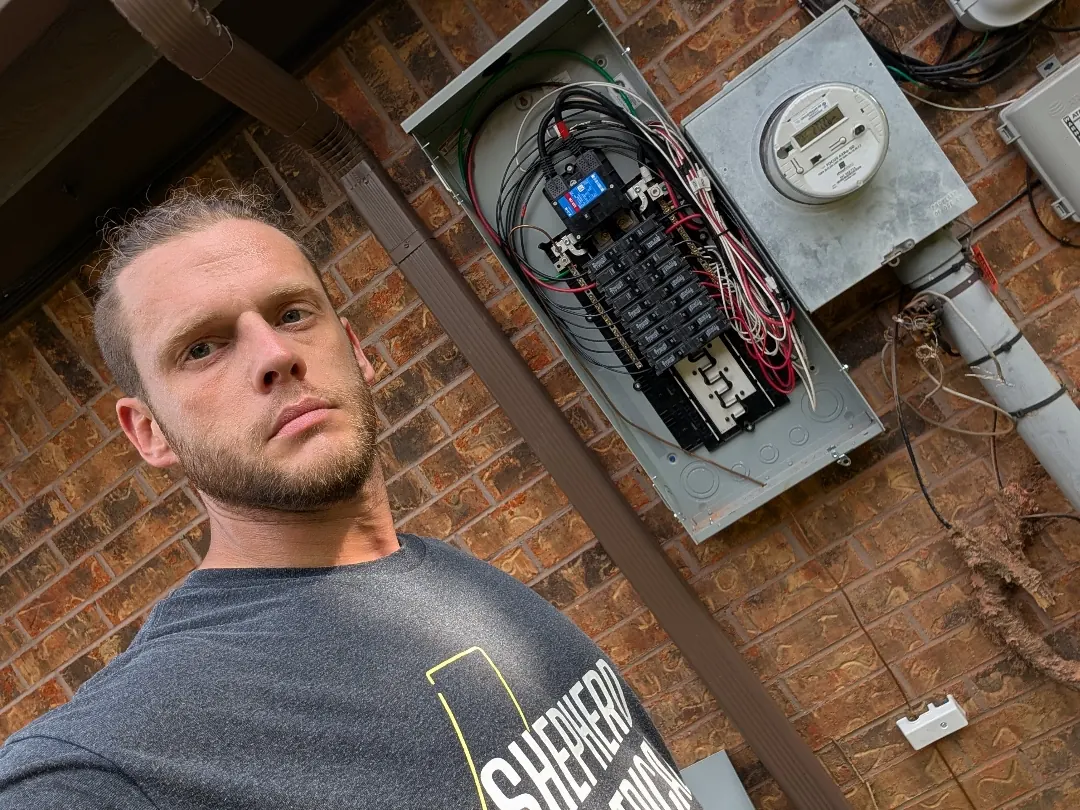
When electrical trouble strikes your home or business in Oklahoma City, one of the costliest mistakes you can make is calling the wrong person. Many residents assume the electric utility company handles everything, while others try risky DIY fixes when the lights go out or a panel trips. Knowing the difference between a utility lineworker and a licensed electrician can save you time, protect your property, and potentially save a life. This guide clarifies exactly who does what during electrical emergencies in the OKC area, what licensed electricians are legally required to do, and how you can stay safer while help is on the way.
Table of Contents
- Electricians vs. utility lineworkers: Who does what in an emergency?
- Key duties of emergency electricians in Oklahoma City
- Why licensing and permits matter in Oklahoma emergencies
- What to do before the electrician arrives: Immediate safety steps
- The reality of emergency electrical readiness: What most overlook
- Need emergency electrical help in Oklahoma City?
- Frequently asked questions
Key Takeaways
| Point | Details |
|---|---|
| Know who to call | Utility lineworkers handle power lines and outages while electricians repair problems inside your property. |
| Check licensing | Only Oklahoma-licensed electricians can legally perform most emergency electrical repairs. |
| Rapid response matters | Private electricians in OKC strive for a 60-90 minute emergency response time for your safety. |
| Prepare in advance | Have emergency contacts saved and follow safe steps before help arrives to reduce risk and damage. |
Electricians vs. utility lineworkers: Who does what in an emergency?
The confusion between utility workers and electricians is completely understandable. Both respond to electrical problems. Both wear hard hats. But their jobs are fundamentally different, and calling the wrong one during an emergency wastes precious time.
Utility lineworkers, like the crews from OG&E, manage the electrical grid. Their territory ends at your meter. During storms, OG&E crews restore grid-level outages, repair downed lines, and fix damaged poles. In one notable Oklahoma storm event, utility crews replaced over 60 poles and restored power to 97% of affected customers within 12 hours. That kind of large-scale, high-voltage work is strictly for utility personnel.
A licensed electrician’s job begins at your meter and covers everything on your side of it. Your interior wiring, circuit breakers, outlets, panels, and connected systems all fall under their domain. You can learn more about specific Oklahoma electrician responsibilities to understand the full scope of what licensed contractors legally handle.

Here is a quick side-by-side comparison to help you call the right number fast:
| Emergency scenario | Who to call |
|---|---|
| Power out for entire neighborhood | Utility company (OG&E, PSO, etc.) |
| Downed or sparking power line | Utility company (911 if a hazard) |
| Power out only in your home/business | Licensed electrician |
| Tripped breaker that won’t reset | Licensed electrician |
| Burning smell from outlet or panel | Licensed electrician (leave building first) |
| Flickering lights affecting only your unit | Licensed electrician |
| Meter damage from weather | Utility company |
| Interior wiring damage from storm | Licensed electrician |
A few scenarios worth highlighting separately:
- Breakers that keep tripping after a storm signal possible water intrusion or surge damage inside your panel.
- Loss of power to one section of your home while the rest works normally points to an internal circuit problem.
- Any visible scorching, burning odor, or buzzing from outlets requires an electrician, not a utility call.
Important: Never attempt to touch, move, or work near a downed power line under any circumstances. These lines can carry thousands of volts. Even lines that appear dead may still be energized. Call your utility company and stay at least 30 feet away.
Attempting unlicensed repairs on your side of the meter creates serious legal and insurance risks, which we will address in a later section.
Key duties of emergency electricians in Oklahoma City
With the key differences clear, let’s examine exactly what an emergency electrician does when they arrive on the scene.
Emergency electricians are not simply technicians who swap out bad parts. During an urgent call, they perform a rapid but systematic assessment of your entire situation before touching anything. Speed matters, but so does accuracy, especially when safety is at stake.

According to 2024 Oklahoma reliability data, OKC area utilities average roughly one outage per customer per year, with an average duration of 100 to 120 minutes. Private emergency electricians typically target a 60 to 90 minute response window for urgent residential and commercial calls. That time gap between when the lights go out and when help arrives is exactly why preparation matters so much.
Here is what a licensed emergency electrician typically does on a service call:
- Assess the scene for immediate hazards. Electricians check for visible signs of fire, smoke, water near electrical panels, or exposed energized wiring before starting work.
- Isolate affected circuits. They shut off power to damaged sections to stop ongoing risk while preserving power to unaffected areas of your home or business.
- Diagnose root causes. A tripped breaker is a symptom, not a cause. Electricians identify whether a surge, overload, short circuit, or physical damage triggered the failure.
- Repair or replace damaged components. This includes circuit breakers, wiring, outlets, panels, and junction boxes.
- Restore power safely. Before reactivating any circuit, they test for continuity, proper grounding, and correct load balancing.
- Document the work performed. This documentation supports insurance claims and permit compliance.
Urgent repairs that emergency electricians handle frequently in the OKC area include complete or partial loss of power to critical systems (HVAC, refrigeration, medical equipment), circuit failures caused by lightning surges, water damage to panels after heavy rain, exposed wiring from rodent damage or physical impacts, and overloaded circuits in older commercial buildings.
Pro Tip: Save the contact number of a licensed emergency electrician in your phone now, before anything goes wrong. During a crisis, searching for a contractor wastes valuable minutes. Knowing which emergency electrical services cover your area means faster help when it counts.
One often-overlooked step is prevention via maintenance. Many emergency calls in Oklahoma City trace back to issues that a routine inspection would have flagged months earlier. Panels with corroded connections, wiring nearing the end of its service life, and circuits already running near capacity are ticking clocks.
Why licensing and permits matter in Oklahoma emergencies
License and permit requirements are often misunderstood, but getting this wrong can delay repairs or void insurance.
Oklahoma law requires that electricians hold CIB licensing issued by the Oklahoma Construction Industries Board for most electrical work, including emergency and storm-related repairs. This is not optional, and it applies even when the job feels minor or urgent. Permits are generally required for any repair that goes beyond a direct like-for-like replacement (replacing an identical part with an identical part without changing the design, capacity, or location).
Why does this matter for you? Two big reasons: safety and insurance.
From a safety standpoint, the permitting process triggers an inspection that confirms the work meets the National Electrical Code (NEC) and local amendments. Skipping this step can leave hidden hazards in your walls that create future fire or shock risks. From an insurance standpoint, work performed without required permits may void your homeowner’s or business insurance policy if a related claim is filed later.
| Credentialing checkpoint | What to look for |
|---|---|
| CIB license number | Ask for it and verify at oklahomacontractorauthority.com |
| Insurance certificate | General liability and workers’ compensation |
| Permit pulled for the job | Contractor should confirm before starting work |
| Written estimate | Includes scope, materials, and timeline |
| Business address | Avoid contractors with no local physical address |
When hiring anyone for emergency repair work, ask these questions directly:
- “What is your Oklahoma CIB license number?”
- “Will you pull a permit for this repair?”
- “Are you carrying general liability insurance?”
- “Have you done similar emergency work after Oklahoma storms before?”
For a deeper look at the vetting process, the guide to hiring Oklahoma City electricians walks through each step. There are also strong practical and legal arguments covered in this resource on why hire licensed electricians that apply directly to emergency situations.
Pro Tip: Never accept a verbal promise that a permit “will be handled later.” Permits must be pulled before work begins, not after. If a contractor hesitates on this point, that is a red flag worth taking seriously.
The pressure of an emergency can make you want to accept the first available help. Unlicensed contractors often show up during disaster conditions specifically because demand is high and homeowners are stressed. Do not let urgency override your judgment.
What to do before the electrician arrives: Immediate safety steps
Even with quick response times, every minute counts. Here is what you should do before your electrician arrives.
The 60 to 90 minute window before your electrician arrives is not idle time. What you do in those first minutes can limit property damage, protect everyone in the building, and give the arriving technician a clearer picture of what happened. According to Oklahoma reliability benchmarks, outages average over 100 minutes in duration, so preparedness during this window matters enormously.
Follow these steps in order:
- Get everyone out of the immediate danger area. If you smell burning, see sparks, or notice smoke from an outlet or panel, evacuate that area of the building right away.
- Turn off the main breaker if you can do so safely. If the panel is accessible and not visibly damaged, switching off the main cuts risk to the whole structure. Do not touch a panel that shows burn marks, water damage, or strange sounds.
- Unplug appliances and electronics from affected circuits. This limits additional surge damage and reduces load when power is restored.
- Call your utility company if the outage affects the whole neighborhood. Distinguish between a grid-level issue and an interior problem before your electrician call.
- Do not use candles near electrical panels or damage areas. Use battery-powered flashlights instead. Open flames near damaged wiring can trigger a fire.
- Photograph or video everything. Document outlet damage, panel conditions, scorching, water near electrical systems, or any tripped breakers. This evidence supports insurance claims significantly.
- Note the sequence of events. When did it start? What was running at the time? Did you hear a pop or buzzing sound? What changed right before the failure? This information helps your electrician diagnose the root cause faster.
What to avoid completely:
- Do not touch any exposed wiring regardless of whether you believe the power is off.
- Do not attempt to reset a breaker repeatedly if it keeps tripping. Each reset attempt pushes current through a potentially damaged circuit.
- Do not use extension cords as a temporary fix for damaged outlets.
- Do not allow non-licensed individuals to perform any repairs, even “temporary” ones.
For details on what qualifies as a residential emergency repair in the OKC area, that resource outlines coverage clearly so you know what to expect from a licensed contractor’s visit.
Pro Tip: Keep a small emergency card on your refrigerator with your utility company’s outage number, your licensed electrician’s emergency line, your account numbers, and your home’s main breaker location. When stress hits, you will not have to search for any of it.
The reality of emergency electrical readiness: What most overlook
After covering procedures and rules, let’s dig into the realities that actually affect your safety and downtime when emergencies hit.
Here is something we see repeatedly in the OKC area: homeowners and business owners who think they are prepared because they know who to call. They have OG&E’s number in their phone. They have heard of licensed electricians. But when an actual emergency hits, they lose hours, sometimes days, to confusion, unnecessary damage, or delayed repairs. Knowing a name is not the same as being ready.
The businesses and homeowners who recover fastest from electrical emergencies share one trait. They did the preparation work before anything went wrong. That means scheduling a full system assessment for emergencies to understand exactly where vulnerabilities exist in their electrical system. It means knowing which circuits are critical, where the shutoffs are, and what their insurance actually covers for electrical damage.
We have also noticed that most people severely underestimate the downstream cost of electrical emergencies. A single tripped breaker from an undiagnosed overload can spoil hundreds of dollars of refrigerated inventory in a small business. Water intrusion into a panel after an Oklahoma storm can knock out HVAC mid-summer, creating both health risks and business losses that compound quickly. The repair itself is rarely the biggest expense.
The uncomfortable truth is that Oklahoma City’s weather patterns make electrical emergency preparedness a basic necessity, not a luxury. Severe storms, ice events, and high-wind episodes are not rare outliers. They are annual realities. Treating your electrical system as something to address only after a problem occurs is a pattern that guarantees repeated, expensive emergencies.
Surge protection, load assessments, proper panel grounding, and scheduled maintenance are not upsells. They are the practical steps that separate prepared properties from those that spend a week without power after every major storm. Resilience is built in the quiet months before the emergency arrives.
Need emergency electrical help in Oklahoma City?
When an electrical emergency hits your home or business, you need a licensed, local contractor who understands OKC’s electrical codes, weather realities, and urgency. Shepherd Electrical provides fast, trustworthy response for homeowners and businesses throughout the Oklahoma City metro and Edmond area.

From panel repairs and circuit failures to storm damage and surge protection, Shepherd Electrical’s comprehensive emergency services cover the full range of what licensed electricians handle on your side of the meter. If you are searching for a trusted, fully credentialed contractor, use this resource to find a local electrician in your area. Every job Shepherd Electrical takes on is performed by licensed professionals who pull proper permits and follow NEC and OSHA standards. Do not let the pressure of an emergency push you toward an unlicensed shortcut. Get the help that protects both your property and your insurance coverage.
Frequently asked questions
How quickly can an emergency electrician reach me in Oklahoma City?
Most private emergency electricians in OKC target 60 to 90 minutes for urgent calls, making it important to call as soon as you identify an interior electrical problem rather than waiting to see if the issue resolves itself.
Is it legal to do emergency electrical work myself in Oklahoma?
Oklahoma requires CIB-licensed electricians for emergency repairs, and permits are required for anything beyond a direct like-for-like replacement, meaning DIY repairs beyond basic tasks like changing a light bulb carry real legal and insurance risk.
Who do I call for downed power lines?
Downed or sparking power lines are strictly the utility company’s responsibility, not an electrician’s, so call OG&E or your local utility immediately and keep everyone at least 30 feet away from the line.
What is a “like-for-like” repair?
A like-for-like repair replaces a faulty component with an identical part without altering the circuit’s design, location, or capacity. Anything outside that scope requires a permit under Oklahoma CIB regulations.