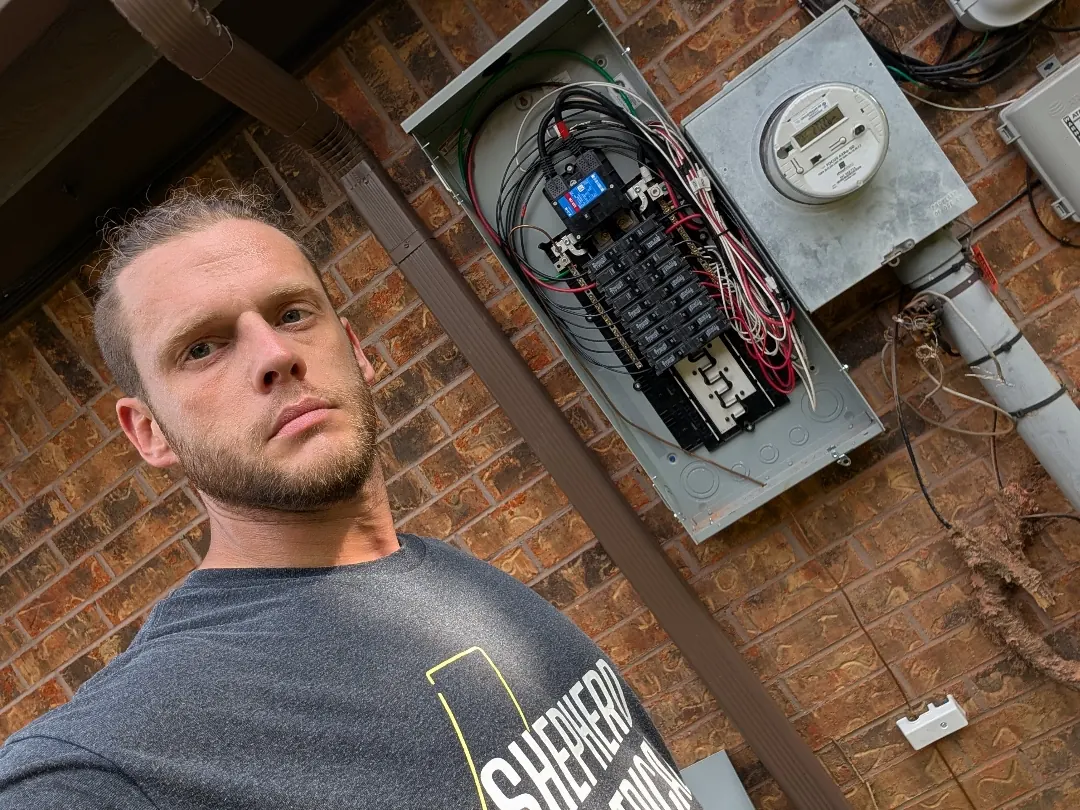
Electrical failures cause roughly 46,700 home fires every year in the United States, and 42% of home inspections uncover at least one electrical issue. For homeowners in Edmond and Oklahoma City, those numbers are a wake-up call, not background noise. A home electrical inspection is a structured, professional evaluation of your home’s electrical system, designed to identify safety risks before they become emergencies. Whether you’re buying, selling, renovating, or simply haven’t had your system checked in years, understanding what an inspection involves puts you in control of your home’s safety and compliance.
Table of Contents
- What is a home electrical inspection?
- Key components and checkpoints in an inspection
- How the inspection process works
- Oklahoma codes, local enforcement, and when to call an electrician
- The real value and limitations of a home electrical inspection
- Protect your Edmond or OKC home: get trusted electrical help
- Frequently asked questions
Key Takeaways
| Point | Details |
|---|---|
| Visual safety check | Home electrical inspections provide a non-invasive review of accessible systems to spot hazards. |
| Regular maintenance | Frequent inspections help Edmond and OKC residents prevent fires and costly repairs. |
| High issue rates | Nearly half of all home inspections uncover electrical defects needing attention. |
| Local code matters | Oklahoma uses NEC standards enforced by local authorities, so compliance keeps you safe and legal. |
| Call a licensed pro | Serious problems require a professional electrician for lasting repairs and safety. |
What is a home electrical inspection?
A home electrical inspection is, at its core, a visual, non-invasive evaluation of your accessible electrical systems. It is not a demolition project. Inspectors look at what they can see and safely test without cutting into walls or pulling apart fixtures. The goal is to identify visible hazards, aging components, and conditions that could put your household at risk.
Here’s what a standard inspection covers:
- Main electrical panel (breaker box condition, labeling, signs of overheating)
- Wiring type and condition (visible runs, junction boxes, connections)
- Grounding and bonding (proper grounding at outlets and panel)
- GFCI and AFCI protection (ground fault and arc fault circuit interrupters in required locations)
- Receptacles and switches (testing for function, polarity, and damage)
- Lighting fixtures and ceiling fans (secure mounting, proper wiring)
- Smoke and CO detector placement (location relative to code)
It’s worth knowing that home inspections differ from code compliance audits. A safety inspection is a visual check of what exists today. A code compliance audit, done by an Authority Having Jurisdiction (AHJ) such as a city building official, verifies that permitted work meets current adopted code standards. These are two separate processes with different purposes.
A general home inspector and a licensed electrician also play different roles. A home inspector gives you a broad overview of the entire property, including electrical. A licensed electrician goes deeper, diagnosing specific faults, load capacity, and code compliance in detail. For Edmond and OKC homeowners, regular electrical inspections by a licensed pro give you a level of confidence that a general inspection simply can’t match. If you want to know what to expect from an inspection before scheduling one, reviewing the scope ahead of time helps you prepare the right questions.
Key components and checkpoints in an inspection
Now that you know what an inspection aims to do, let’s break down exactly which parts of your home’s electrical system get the closest scrutiny.

Inspectors evaluate the main panel, wiring types, grounding, GFCI/AFCI devices, and look for known hazards like aluminum wiring or FPE Stab-Lok panels. Here’s how the major checkpoints break down:

| Component | What inspectors look for | Common findings in OKC/Edmond homes |
|---|---|---|
| Main panel | Proper labeling, no double-taps, no signs of heat damage | FPE Stab-Lok or Zinsco panels in older homes |
| Wiring | Type (copper vs. aluminum), insulation condition | Aluminum branch circuit wiring in 1960s-70s homes |
| Grounding | Three-prong outlets properly grounded | Ungrounded two-prong outlets in pre-1970 homes |
| GFCI protection | Required in kitchens, baths, garages, exteriors | Missing GFCI protection is one of the top findings |
| AFCI protection | Required on bedroom circuits in newer NEC editions | Absent on older panels that haven’t been updated |
| Junction boxes | Covered, accessible, no open knockouts | Open boxes in attics and garages are common |
Kitchens, bathrooms, garages, and exterior outlets get the closest attention because those locations carry the highest shock and fire risk. Inspectors also flag DIY wiring work, which is surprisingly common in older Oklahoma homes.
Pro Tip: If your home was built before 1980, ask your inspector specifically about aluminum branch circuit wiring and panel brand. These two items account for a disproportionate share of serious electrical hazards in the metro area. Reviewing electrical maintenance tips before your inspection helps you spot obvious issues in advance. You can also review a typical checklist to understand what inspectors are working through room by room. If your inspector flags panel hazards, take that finding seriously and follow up with a licensed electrician immediately.
How the inspection process works
After understanding what inspectors check, here is a step-by-step look at the entire inspection process so you know exactly what to expect.
- Prepare access. Make sure the main panel is accessible and unlocked. Gather any permits, prior inspection reports, or renovation records you have.
- Inspector arrives and begins visual walkthrough. They move room by room, checking outlets, switches, fixtures, and visible wiring.
- Panel inspection. The inspector opens the panel cover, examines breakers, looks for signs of heat, moisture, or improper wiring.
- Device testing. GFCI outlets are tested with a plug-in tester. Inspectors check polarity and grounding on a representative sample of outlets.
- Report generation. After the walkthrough, you receive a written report noting observed conditions, safety concerns, and recommended follow-up actions.
- Electrician referral (if needed). If the report flags serious issues, a licensed electrician should evaluate and correct them before problems escalate.
The process involves visual exam, device testing, and report generation, but it is not a full code audit and does not include load testing or invasive diagnostics.
Important: Inspectors test a representative sample of outlets, not every single one. Hidden wiring inside walls is not evaluated. If a home has had extensive DIY work, an inspector may recommend a full electrician assessment.
For Edmond and OKC homeowners, local code nuances matter. Oklahoma follows the National Electrical Code (NEC), but local jurisdictions can add amendments. An inspection report tells you about safety conditions today. It does not guarantee your home meets every current local code requirement. Check the NFPA 73 standards to understand the framework inspectors reference. For ongoing guidance, the Shepherd Electrical blog covers inspection preparation and local electrical topics specific to this area.
Oklahoma codes, local enforcement, and when to call an electrician
With the process explained, it’s time to clarify state and local rules, plus the next steps if your inspection uncovers anything.
Oklahoma follows NEC (NFPA 70) standards adopted through the Oklahoma Uniform Building Code Commission (OUBCC), with local AHJ enforcement at the city or county level. In plain terms, that means Edmond and OKC each have building departments that enforce electrical codes for permitted work. A general home inspection is separate from that process.
Here’s a quick comparison to clear up the confusion:
| Type | Who does it | Triggered by | Legal authority |
|---|---|---|---|
| Home safety inspection | Licensed home inspector or electrician | Homeowner request | None (advisory only) |
| Permit/code inspection | City or county building official | Permitted renovation or new work | Yes, can require corrections |
When should you call a licensed electrician after an inspection? These situations require professional follow-up:
- Panel issues: Any flagged FPE, Zinsco, or Federal Pacific panel needs electrician evaluation
- Aluminum branch wiring: Requires licensed assessment and possible remediation
- Missing GFCI/AFCI protection: A licensed electrician can install these quickly and correctly
- DIY wiring concerns: Unpermitted work flagged by an inspector needs a pro to assess and potentially correct
- Older homes (pre-1970): May need a full electrical assessment beyond what a visual inspection covers
For finding a licensed electrician in Edmond or OKC, look for contractors licensed through the Oklahoma Construction Industries Board. Understand the benefits of hiring licensed professionals before you hire anyone to correct inspection findings. You can also review the inspector vs. electrician role distinction and Oklahoma code requirements to understand what applies to your specific situation.
The real value and limitations of a home electrical inspection
Most homeowners overestimate what a standard home inspection actually reveals. That’s not a criticism of inspectors. It’s just the reality of a visual, non-invasive process. Inspectors test a representative sample only, with no load testing, which means significant hidden defects can go undetected until a licensed electrician does a deeper evaluation.
We’ve seen this play out repeatedly in Edmond and OKC homes. A buyer gets a clean inspection report, moves in, and six months later discovers the panel is running near capacity or that aluminum wiring in the walls was never properly addressed. The inspection wasn’t wrong. It just couldn’t see what was hidden.
The real risk isn’t a bad inspection. It’s treating the inspection as the finish line instead of the starting point. Panel age, aluminum wiring, and DIY repairs are the three issues most likely to cause serious problems down the road, and all three require more than a visual check to fully assess. Working with residential electricians who understand Oklahoma’s specific housing stock gives you a much clearer picture of your actual risk. An inspection is a valuable first step. For older homes especially, it should always be followed by a professional electrical assessment.
Protect your Edmond or OKC home: get trusted electrical help
Understanding your home’s electrical inspection process is the first step. Acting on what you learn is what keeps your family safe.

At Shepherd Electrical, we work with Edmond and OKC homeowners every day to follow up on inspection findings, upgrade outdated panels, install GFCI and AFCI protection, and bring homes into compliance with current Oklahoma code. Our licensed electricians know the local housing stock and the specific hazards common in this area. Whether you need a full assessment or a targeted repair, we make it straightforward. Explore our full electrical services, find a local electrician near you, or visit Shepherd Electrical to schedule your appointment online today.
Frequently asked questions
How often should I get a home electrical inspection in Edmond or OKC?
Experts recommend every 3 to 5 years for most homes, with older homes needing more frequent checks. Given that 42% of inspections find issues, regular scheduling is one of the simplest safety habits you can build.
What is the difference between a home electrical inspection and a code compliance inspection?
A home electrical inspection is a visual safety check of your existing system, while a code compliance inspection is performed by a city or county official to verify that permitted work meets adopted standards.
What are the most common problems found during home electrical inspections?
Outdated wiring, missing GFCI and AFCI protection, and faulty panels are the top findings. FPE Stab-Lok, Zinsco panels, and aluminum wiring are especially common in older Oklahoma City and Edmond homes.
Can I do a DIY electrical inspection at home?
Homeowners can spot certain surface-level issues like damaged outlets or missing covers, but professional inspection is recommended for anything involving the main panel, wiring, or any finding flagged in a formal report.