


Most homeowners don’t think about their electrical system until something goes wrong. A tripped breaker, a flickering light, a warm outlet. By that point, the damage is often already done. Understanding what is electrical preventive maintenance, and acting on it before problems appear, is the difference between a home that runs safely for decades and one that becomes a fire statistic. This guide gives you a practical, honest look at how preventive maintenance works, why it matters, and what you can do about it starting today.
Table of Contents
- Key takeaways
- What is electrical preventive maintenance and why does it matter
- Common electrical failures and how maintenance stops them
- Building an electrical preventive maintenance program
- Safety standards and compliance basics
- Practical tips for homeowners and property managers
- My honest take on electrical maintenance
- Let Shepherdelectricalconstruction protect your home’s electrical system
- FAQ
Key takeaways
| Point | Details |
|---|---|
| Prevention beats repair | Over two-thirds of failures can be prevented with a structured maintenance program. |
| Know the warning signs | Flickering lights, warm outlets, and tripping breakers signal problems that need attention before they escalate. |
| Schedule regular checks | Combine monthly visual inspections with professional evaluations every few years for best results. |
| Records protect you | Documented maintenance history supports insurance claims and demonstrates compliance with safety codes. |
| Know when to call a pro | Panel work, breaker replacement, and water intrusion require a licensed electrician, not a DIY fix. |
What is electrical preventive maintenance and why does it matter
Electrical preventive maintenance (EPM) is a program of planned inspections, testing, cleaning, and servicing of your home’s electrical components before they fail. This is not the same as calling an electrician after a breaker blows. EPM is proactive. You schedule it. You document it. You act on findings before they turn into fires or outages.
The components covered in a solid EPM approach include:
- Electrical panels and circuit breakers (looking for corrosion, heat damage, and proper operation)
- Wiring and insulation (checking for wear, cracking, or improper connections)
- Outlets and switches (testing for stability, checking for scorch marks or discoloration)
- GFCI and AFCI outlets (verifying they trip and reset correctly)
- Lighting fixtures and ceiling fans (inspecting connections and mounting security)
The numbers make the case plainly. According to structured EPM research, most electrical failures are preventable when a scheduled maintenance program is in place. Yet most homeowners skip annual checks entirely. The result is a slow accumulation of small problems, loose connections that heat up, insulation that degrades, breakers that wear out, until a minor issue becomes a major one.
EPM also connects directly to safety standards. The National Electrical Code (NEC) and NFPA 70B provide the framework for safe electrical system operation, and your home’s compliance with those standards depends on whether someone is regularly checking that things still meet code. A system installed correctly ten years ago may no longer be up to current standards without updates and inspections.
Pro Tip: If you are buying a home or managing a rental property, request documentation of prior electrical inspections before closing or signing leases. The absence of records is itself a red flag.
Common electrical failures and how maintenance stops them
Electrical problems in homes rarely announce themselves loudly. They build quietly. Knowing what to look for is the first step in catching them early.
Here are the most common residential electrical failures, and what they look like before they become dangerous:
- Backstabbed outlets: Wires pushed into the back of outlets rather than secured to screw terminals. These connections loosen over time and generate heat.
- Worn insulation: Old wiring insulation becomes brittle and cracks, exposing conductors and creating short-circuit risks.
- Loose outlet boxes: When a faceplate wiggles, it often means the box inside the wall has shifted. Shifting outlet boxes loosen internal wiring connections and create genuine fire hazards.
- Overloaded circuits: Too many devices on one circuit cause chronic breaker trips and generate excess heat in the wiring.
- Failing GFCI outlets: A GFCI outlet that won’t trip during testing is no longer protecting you from shock in wet areas.
The visible warning signs you should never ignore include flickering lights (which can indicate a loose connection at the panel or fixture), outlets or switches that feel warm to the touch, and breakers that trip repeatedly for no clear reason. These are not quirks. They are symptoms.
Electrical failures can also be entirely invisible before they cause serious damage. Loose lugs and degraded insulation generate heat far above ambient temperatures long before any visible sign appears. This is why professional tools like thermal imaging cameras and insulation resistance testers exist. Thermal imaging and insulation testing are key components of a thorough professional inspection, catching problems that no visual check would find.
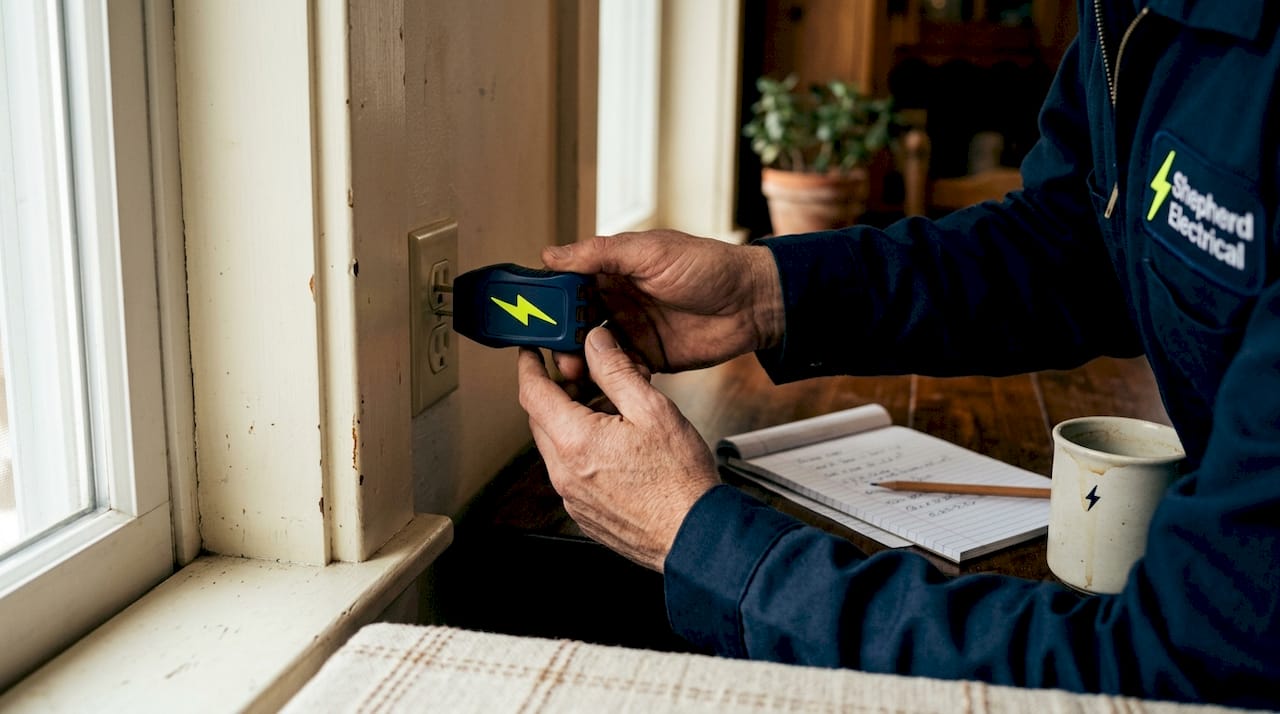
Pro Tip: Test every GFCI outlet in your home monthly. Press the “Test” button and confirm the outlet loses power, then press “Reset” to restore it. If the outlet doesn’t respond, replace it immediately.
Building an electrical preventive maintenance program
A preventive maintenance program is not complicated, but it does require structure. The goal is to create a schedule you actually follow, with tasks matched to the right frequency and the right person performing them.
Here is a practical framework for homeowners and property managers:
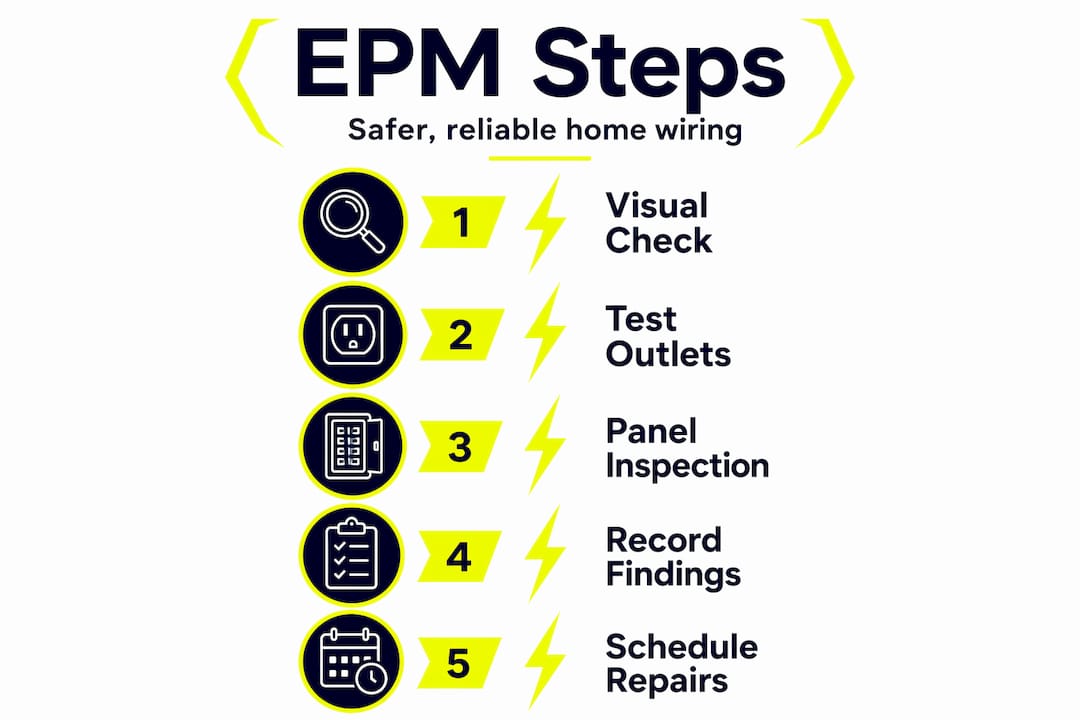
- Monthly: Walk through your home and visually inspect all outlets and switches. Look for discoloration, scorch marks, or physical damage. Test all GFCI outlets. Check that breakers are in the correct position.
- Quarterly: Inspect the electrical panel for signs of rust, heat damage, or double-tapped breakers. Check exterior outlets and any outlets in garages or bathrooms for moisture exposure.
- Annually: Have a licensed electrician perform a full inspection, including panel testing, outlet and wiring evaluation, and a check against current NEC requirements.
- Every 5 to 10 years: Commission a formal electrical system assessment, especially in older homes. This should include arc-flash review, breaker exercise testing, and a full electrical system assessment to identify aging components.
Not all maintenance needs to happen on a fixed calendar. Some tasks are better scheduled based on usage or observable conditions.
| Maintenance type | Trigger | Example task |
|---|---|---|
| Time-based | Fixed calendar date | Annual panel inspection, quarterly outlet check |
| Usage-based | Number of cycles or hours | Breaker exercise after extended inactivity |
| Condition-based | Observed change or alert | Replace outlet after visible scorch marks |
Matching triggers to failure modes drives efficiency and prevents both over-maintenance and under-maintenance. A circuit breaker that operates rarely needs different attention than one switching high loads daily.
Record keeping is the part most homeowners skip, and it is the part that matters most when something goes wrong. Digital maintenance records support insurance compliance and demonstrate due diligence in ways that a binder of handwritten notes cannot. A simple spreadsheet or a free app dedicated to home maintenance logs is enough to start.
Safety standards and compliance basics
You don’t need to memorize electrical code to be a responsible homeowner, but you do need to understand why it exists and how it affects you.
The two most relevant standards for residential electrical maintenance are:
- NFPA 70B: The recommended practice for electrical equipment maintenance, which recently transitioned toward mandatory requirements for documented upkeep and inspections. The shift means electrical safety compliance now carries real legal weight in many jurisdictions and property management contexts.
- National Electrical Code (NEC): Sets specific requirements for outlet spacing, GFCI placement in wet areas, and wiring methods. Even if your home was built to code, older installations may no longer meet current NEC standards without updates.
For property managers, compliance is not optional. Rental properties with electrical code violations can expose owners to liability in the event of a fire or injury. Unpermitted electrical work can also void insurance coverage, leaving you personally responsible for repair costs or damages.
“Electrical reliability should be treated as a risk management issue, not just a maintenance task. Proactive upkeep mitigates safety incidents and downtime far more effectively than reactive repairs.” — NFPA 70B Compliance Guide
Common DIY mistakes that create code violations include using the wrong wire gauge for a circuit, skipping GFCI protection in wet areas, and failing to pull permits for panel upgrades. These are exactly the situations where low voltage and safety guidance from professionals can save you significant money and legal exposure down the road.
Practical tips for homeowners and property managers
You don’t need an electrical license to take meaningful steps toward a safer home. A focused monthly checklist, paired with professional support at the right intervals, covers most of what responsible ownership requires.
Here is a starting checklist you can use immediately:
- Outlets and switches: Look for discoloration, cracks, or scorch marks on faceplates. Gently push on outlet covers to check for movement. Faceplate movement indicates internal box shifting and should be corrected by an electrician.
- GFCI outlets: Test every GFCI monthly using the built-in test button. Any outlet that fails to trip or reset needs immediate replacement.
- Panel check: Open your electrical panel and look for signs of rust, burning smell, or physical damage. Do not touch anything inside. This is a visual inspection only.
- Moisture monitoring: Check outlets in bathrooms, kitchens, garages, and exterior locations for any signs of moisture or condensation. Water and electricity create dangerous conditions that escalate quickly.
- Extension cord audit: Permanent use of extension cords signals that your circuits are under-served. This is a common fire risk that monthly visual inspections often catch.
Certain tasks are outside the scope of safe DIY work. Panel work and breaker replacement require a licensed electrician in virtually every jurisdiction. So does any work that involves suspected water intrusion into your electrical system. The risk is not just injury. Unpermitted or improper work can void your homeowner’s insurance entirely.
Pro Tip: Keep a simple home maintenance log with the date, what you checked, and what you found. This takes five minutes per month and gives you documentation that pays off if you ever need to file an insurance claim or sell your home.
For a deeper look at what regular upkeep should include, the residential electrical maintenance guide from Shepherdelectricalconstruction walks through the specific tasks relevant to Oklahoma homes, including seasonal considerations.
My honest take on electrical maintenance
I’ve walked through hundreds of homes and rental properties in the Oklahoma City area, and the pattern I see most often is the same: people wait. They assume that because the lights are on and the breakers haven’t tripped, everything is fine. It almost never is.
What I’ve learned is that the most dangerous electrical problems in homes are the ones you can’t see without looking for them. A loose lug connection in a panel box can heat to damaging temperatures for months without tripping a breaker or causing any visible symptom. By the time you notice something, the damage is already serious.
I’ve also seen homeowners swing the other direction and convince themselves that monthly DIY checks cover everything. They don’t. Visual inspections catch the obvious stuff. They miss the hidden failures that only thermal imaging or professional testing can reveal.
My experience tells me the right approach is layered: do your monthly walkthroughs, take them seriously, document what you find, and bring in a licensed electrician once a year at minimum. If your home is older than 25 years, do it more often. The cost of a professional inspection is a fraction of what a single electrical fire costs in damage, not to mention what it costs in safety. Good record keeping and a consistent schedule are the two habits that separate the homeowners who avoid disasters from the ones who don’t.
— Brad
Let Shepherdelectricalconstruction protect your home’s electrical system
If this article clarified what electrical preventive maintenance involves, the next step is putting it into practice with qualified support. Shepherdelectricalconstruction serves homeowners and property managers across Edmond and the Oklahoma City Metro with inspections, panel evaluations, GFCI upgrades, and full electrical services tailored to residential and small commercial properties.

Whether you need a full electrical system evaluation or want to understand what a licensed electrical contractor does in a typical maintenance visit, the team at Shepherdelectricalconstruction brings the expertise and local knowledge to get it done right. Book your inspection online today and stop guessing about the state of your electrical system.
FAQ
What is electrical preventive maintenance in simple terms?
Electrical preventive maintenance is a planned program of inspections, testing, and servicing of your home’s electrical components performed on a schedule before failures occur. It covers panels, wiring, outlets, breakers, and GFCI devices.
How often should a homeowner perform electrical maintenance?
Monthly visual checks are something you can handle yourself, while a licensed electrician should inspect your system annually. Homes older than 25 years benefit from a formal electrical system assessment every three to five years.
Can I perform electrical preventive maintenance myself?
Basic tasks like visual outlet inspections and monthly GFCI testing are safe for unlicensed homeowners. Any work involving the electrical panel, breaker replacement, or suspected water intrusion requires a licensed electrician.
Why does electrical preventive maintenance matter for rental properties?
Property managers face legal and insurance liability when electrical systems fail. Unpermitted or poorly maintained electrical work can void coverage and expose owners to significant financial risk in the event of fire or injury.
What standards govern electrical maintenance in homes?
The National Electrical Code (NEC) and NFPA 70B are the primary standards. NFPA 70B now includes mandatory requirements for documented electrical maintenance, making compliance directly relevant to both homeowners and property managers.
Recommended
- Top electrical maintenance tips for Edmond & OKC homes
- Electrical system assessment for safer homes: 2026 guide
- Why electrical troubleshooting matters for your home and business
- Home electrical inspection guide: what homeowners must know
Need help with this at your home?
Shepherd Electrical helps Edmond and OKC metro homeowners with troubleshooting, repairs, GFCIs, outlets, and safety inspections. Free estimates are available, and workmanship is backed by a lifetime guarantee.